
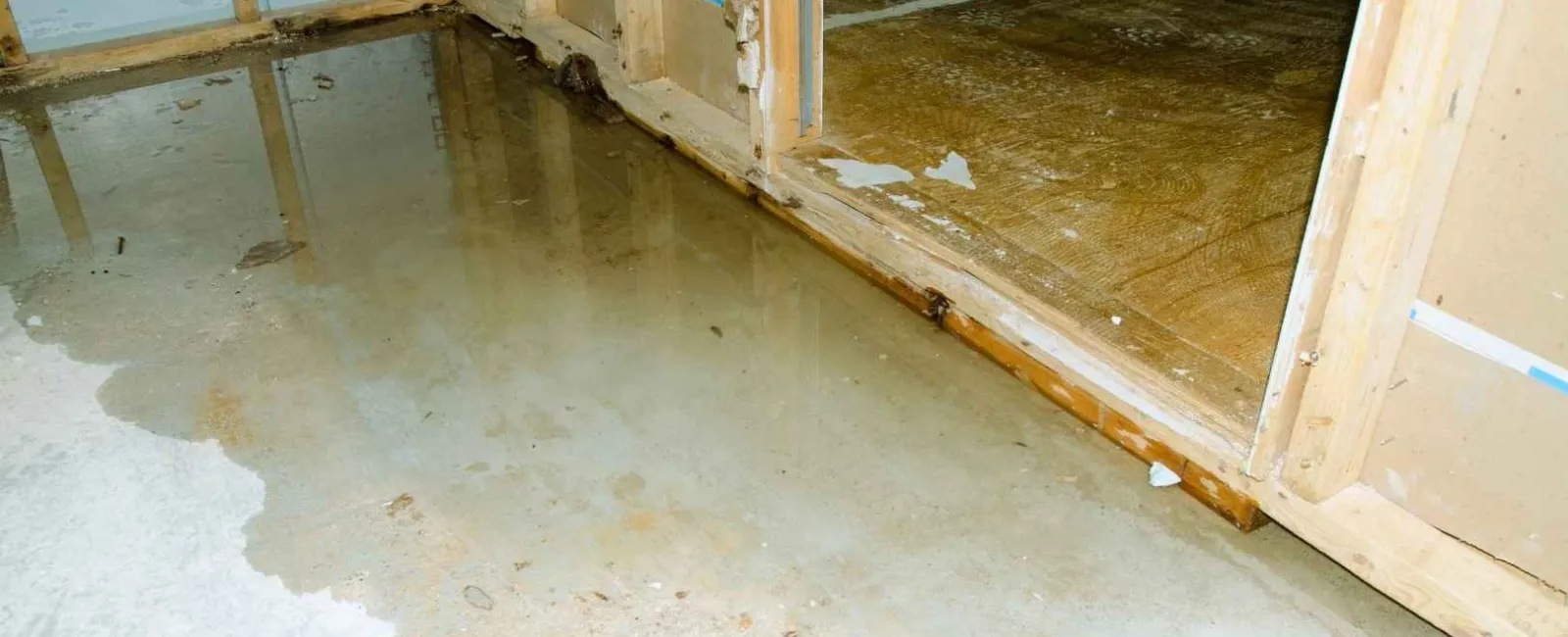
When sewage or water starts backing up through your basement floor drain, you're facing one of the most urgent and unpleasant plumbing emergencies homeowners encounter. A backed-up floor drain can dump gallons of contaminated water onto your basement floor within minutes, threatening property damage, creating health hazards from sewage exposure, and signaling serious problems with your home's drainage system that will only worsen if ignored.
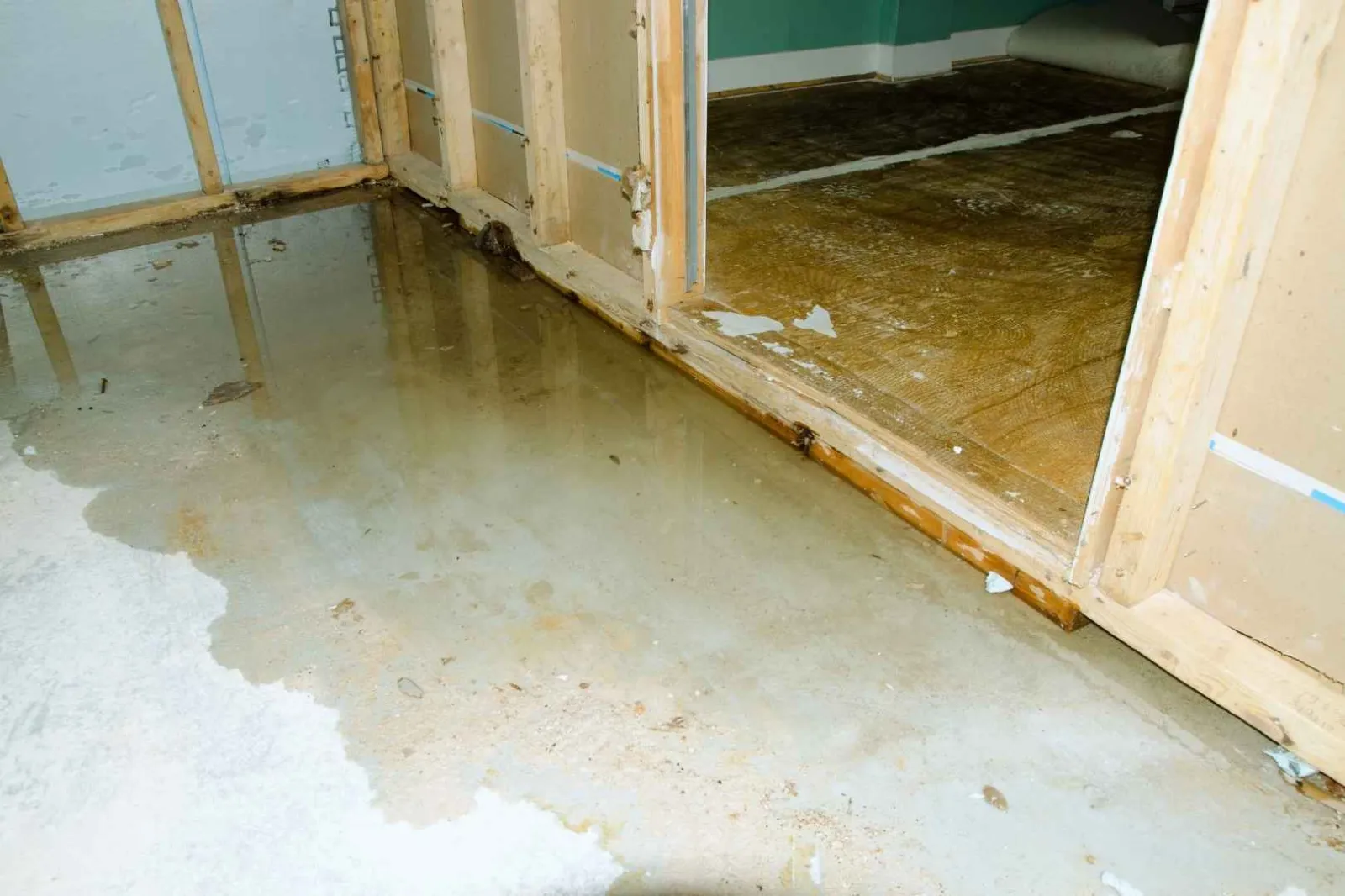
After diagnosing hundreds of basement floor drain backups since 1923, our licensed plumbers know that while this problem feels catastrophic when it's happening, about 60% of cases can be resolved within a few hours with professional drain cleaning.
CRITICAL: Emergency Steps Before Diagnosing
Before attempting to identify the cause, you must stop the backup and protect your basement:
Immediate containment:
- Stop all water use in your home - Do not run toilets, sinks, showers, dishwasher, or washing machine until the backup is resolved. Every gallon you add to the system will back up through the floor drain.
- Remove belongings from the affected area - Move furniture, boxes, electronics, and valuables away from standing water immediately
- Do NOT use chemical drain cleaners - They're ineffective for main line clogs and can create caustic fumes when mixed with sewage
- Ventilate the area - Open windows and use fans to prevent sewer gas buildup and reduce contamination risk
- Contain the water if possible - Use towels, mops, or a wet-dry vacuum to prevent spreading—wear rubber gloves and boots for sewage exposure
Once you've secured the area, you can safely diagnose which of the six common causes is creating your backup.
Understanding Your Basement Floor Drain System
Your basement floor drain sits at the lowest point in your home's plumbing system and connects directly to the main sewer line, the pipe that carries all wastewater to the city sewer or septic system. Under normal conditions, gravity pulls water from sinks, toilets, and appliances down through branch drains, into the main sewer line, and out of the house. The floor drain should only see water if you intentionally pour it in or if your basement floods.
When the main sewer line becomes clogged, restricted, or overwhelmed, wastewater can't flow out. With nowhere else to go, it backs up through the lowest opening in the system, the basement floor drain. This is why floor drain backups almost always point to a main sewer line issue or a city sewer problem, not a failure of the floor drain itself. The drain is doing exactly what it's designed to do: acting as an early warning that your sewer system is compromised.
6 Causes of Basement Floor Drain Backing Up - Ranked by Frequency
Based on hundreds of floor drain backup calls we've responded to throughout North Metro Atlanta, here are the six causes ranked from most to least common:
1. Main Sewer Line Clog (45% of Cases)
What's happening: The main sewer line is the large pipe (typically 4-6 inches) that carries all wastewater from your home to the city sewer or septic system. When this line becomes clogged or partially blocked, wastewater can't flow out of the home. As you use fixtures on upper floors, flushing toilets, showering, or running the washing machine, water backs up through the lowest point in the system, usually the basement floor drain.
How to identify a main sewer line clog:
-
Multiple fixtures drain slowly or back up at the same time
-
Floor drain overflows when using toilets, showers, or appliances on upper levels
-
Gurgling sounds come from toilets or drains when water is running elsewhere
-
Backup builds gradually during normal water use, not suddenly
-
Drains have been getting progressively slower over weeks or months
Common causes:
-
Excessive toilet paper buildup
-
"Flushable" wipes, baby wipes, paper towels, feminine hygiene products
-
Grease accumulation from kitchen drains
-
Collapsed, deteriorated, or offset clay or cast-iron sewer pipes
Solution: Main sewer line clogs require professional drain cleaning with specialized equipment. Licensed plumbers use motorized drain cables or high-pressure hydro jetting (3,000-4,000 PSI) to fully clear the pipe, not just punch a hole through the blockage like DIY snakes. Video camera inspection is used to locate the clog and confirm that the line is completely clear. For homes with recurring issues, annual preventive drain cleaning is recommended to reduce the risk of future backups.
2. Tree Root Intrusion in Sewer Line (25% of Cases)
What's happening: Tree and shrub roots can penetrate underground sewer lines through small cracks, joints, or deteriorated connections. Once inside, roots grow aggressively toward moisture and nutrients, forming dense mats that trap waste and debris until the pipe becomes partially or fully blocked. This is especially common in older homes with clay or cast-iron sewer lines and mature landscaping along the sewer route.
How to identify root intrusion:
-
Large trees or shrubs are located within 10-15 feet of the sewer line path
-
Home is 30+ years old with original clay or cast-iron sewer piping
-
Backups occur seasonally, often worse in spring and summer
-
Drain problems recur every 6-18 months despite professional cleaning
-
Sewer camera inspection shows visible roots inside the pipe
Solution: Root intrusion requires professional drain-clearing with root-cutting equipment. While cutting roots restores flow, it is a temporary fix—typically lasting 6-18 months—because roots will regrow unless the pipe damage is addressed. Long-term solutions include trenchless pipe lining (creating a new pipe inside the old one), targeted pipe replacement for damaged sections, or chemical root treatments to slow regrowth between cleanings.
3. City Sewer Line Backup (Municipal System Overwhelmed) (15% of Cases)
What's happening: In some cases, a floor drain backup isn't caused by anything inside your home. When the city's main sewer line is clogged, damaged, or overwhelmed, often during heavy rain or snowmelt, sewage can't flow away from homes connected to it. Instead, it backs up through the lowest point in the system, usually the basement floor drain. This is a municipal problem, not a homeowner's plumbing failure.
How to identify a city sewer backup:
-
Backup occurs during or shortly after heavy rain or snowmelt
-
Multiple neighbors experience backups at the same time
-
Sewage appears even when you're not using water in your home
-
Problem resolves on its own after hours or days
-
Your private sewer line was recently inspected and found clear
Solution: Contact your city or municipal sewer department immediately; this is their responsibility. Document the backup with photos and video for potential damage claims. To prevent future incidents, consider installing a backwater valve (backflow preventer) on your main sewer line. This one-way valve allows wastewater to exit your home but blocks sewage from flowing back in during city sewer surcharges.
4. Dried-Out Floor Drain Trap (10% of Cases)
What's happening: Every floor drain has a U-shaped trap designed to hold water and block sewer gases. If the drain isn't used regularly, the water in the trap evaporates, breaking the seal. While a dry trap doesn't cause a true backup, it creates symptoms homeowners often mistake for one, sewer odors and occasional dampness when pressure changes in the system push small amounts of water or gas through the empty trap.
How to identify a dry trap:
-
Strong sewer odor coming from the floor drain
-
Little to no standing water present
-
Floor drain hasn't been used or flushed with water in months
-
Basement is finished or climate-controlled (faster evaporation)
-
Issue started gradually with odors, followed by occasional dampness
-
Pouring water down the drain temporarily eliminates the smell
Solution: Pour 1-2 gallons of water down the floor drain monthly to maintain the trap seal. For rarely used drains, add a small amount of cooking oil after the water; the oil floats on top and slows evaporation. If odors persist after refilling the trap, the issue may be a damaged trap or an actual drainage problem that requires professional inspection. Our plumbers can inspect the trap and confirm the drainage system is functioning properly.
5. Washing Machine Drain Overload (3% of Cases)
What's happening: Washing machines discharge a large volume of water, typically 20-40 gallons in just a few minutes. If the drain line serving the washer is undersized, partially clogged, or improperly vented, it can't handle that surge. When the drain system is overwhelmed, wastewater backs up through the lowest opening in the system, often a basement floor drain.
How to identify this cause:
-
Floor drain backs up only during or immediately after washing machine use
-
Water is clean (gray water), not sewage
-
Washing machine standpipe or laundry sink overflows at the same time
-
Issue began or worsened after installing a newer high-efficiency washer
-
Washing machine drains into a 1.5-inch pipe (minimum recommended size is 2 inches)
Solution: A plumber should inspect and clear the washing machine drain line and confirm proper drain sizing and venting. Common fixes include snaking the line to remove soap scum and lint buildup, upgrading undersized piping from 1.5 to 2 inches, correcting venting issues to allow proper airflow during rapid discharge, and installing a lint trap to prevent future clogs. Addressing this early prevents recurring backups and potential water damage.
6. Septic System Failure (For Homes Not on City Sewer) (2% of Cases)
What's happening: If your home uses a septic system, a backed-up floor drain usually signals septic failure, not a plumbing clog. This occurs when the septic tank is full, and solids block the outlet, the drain field is saturated or failed and can't absorb effluent, or the distribution box is clogged. With nowhere for wastewater to go, sewage backs up through the lowest point in the home, often the floor drain.
How to identify a septic-related backup:
-
Home is on a septic system, not city sewer
-
Septic tank hasn't been pumped in 3+ years (recommended every 2-3 years)
-
Soggy ground, foul odors, or standing water over the drain field
-
All drains are slow, and toilets won't flush properly
-
Sewage backs up during normal water use, not just heavy usage
Solution: Immediate septic tank pumping is required; contact a licensed septic service within 24 hours. If pumping does not resolve the backup, the drain field or distribution system may have failed and require repair or replacement. Septic emergencies require septic specialists, not general plumbers. To prevent future failures: pump the tank every 2-3 years, never flush wipes or grease, install an effluent filter, and avoid driving or building over the drain field.
When to Call a Professional Plumber Immediately
Contact our licensed plumbers for emergency basement floor drain service if:
- Sewage is actively backing up through your floor drain. This is a health emergency requiring immediate professional response
- Multiple drains throughout your home back up simultaneously indicates a main sewer line blockage
- You cannot stop water use because family members need to use the facilities we provide, 24/7 emergency service
- Problem recurs within weeks or months of previous clearing indicates an underlying issue needing a permanent fix
- You suspect tree root intrusion or pipe damage requires camera inspection and specialized equipment
- Backup occurred during heavy rain may indicate a city sewer issue or a foundation drainage problem
After 100+ years serving North Metro Atlanta, we've found that 45% of basement floor drain backups are caused by main sewer line clogs (professionally clearable within 2-4 hours).
The Bottom Line on Basement Floor Drain Backups
If your basement floor drain is backing up, the most common causes are a main sewer line clog (about 45% of cases) or tree root intrusion (about 25%). The first and most important step is to stop all water use immediately; running fixtures will only force more wastewater into the backup. From there, a professional diagnosis is required to identify the exact cause and determine the correct fix.
Do not attempt to clear a main sewer line yourself. Consumer drain snakes can't reach far enough, chemical drain cleaners are ineffective on main line blockages and create toxic fume hazards, and improper clearing can damage older pipes, turning a clog into a full pipe failure. Safe, effective clearing requires professional equipment such as motorized drain cables (75-100 feet), high-pressure hydro jetting, and video camera inspection.
Basement floor drain backing up with sewage or water? Contact our licensed plumbers for 24/7 emergency drain clearing in Cumming, Alpharetta, Roswell, and North Metro Atlanta. We provide same-day response, video camera inspections to pinpoint the cause, high-pressure water jetting for complete blockage removal, and long-term solutions to prevent repeat backups.


