
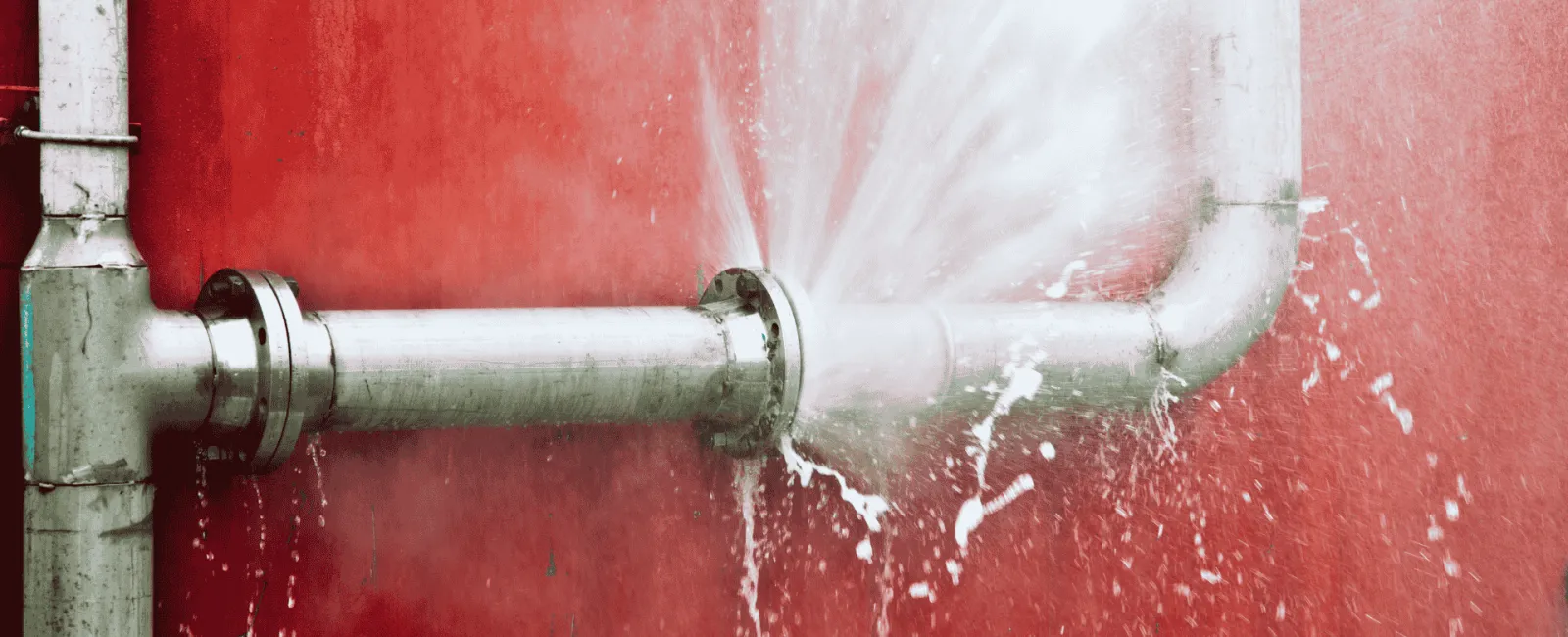
Hearing knocking, banging, or rattling sounds from your pipes when no water is running can be unnerving, because these mysterious noises aren't just annoying; they often signal underlying issues in your plumbing system that can worsen over time if left unaddressed.
After diagnosing thousands of noisy pipe issues since 1923, our licensed plumbers have identified the most common causes of knocking pipes when water is not running.
Why Pipes Make Noise When Water Isn't Running
Unlike water hammer (which occurs when water flow suddenly stops), pipes that knock when water is not running are usually experiencing one of these phenomena:
- Thermal expansion and contraction: Metal pipes expand or contract as they heat up or cool down
- Pressure changes: Fluctuations in water pressure, moving unsecured pipes
- Mechanical issues: Loose mounting hardware allowing pipes to shift or vibrate
- External factors: Temperature changes, building settling, or even nearby traffic vibrations
The key distinction: if you're hearing knocking only when you turn water on or off, that's typically water hammer (a different issue). If knocking happens randomly when no fixtures are in use, the causes below are more likely.
6 Causes of Knocking Pipes When Water Is Not Running
Here are the six most common causes we encounter in North Metro Atlanta homes, ranked from most to least frequent:
1. Thermal Expansion from Hot Water Pipes (55% of Cases)
What's happening: When hot water flows through copper or PEX pipes, the metal expands as the water cools. After you've turned off a faucet or appliance, the pipes contract. This expansion and contraction cause pipes to rub against wall studs, joists, or pipe hangers, creating knocking, ticking, or popping sounds that can occur minutes or even hours after water use.
Why it happens when water is off: The cooling process continues long after water flow stops. You might finish a shower at 8 PM and hear knocking sounds at 9 PM as the pipes gradually return to ambient temperature.
How to identify it:
- Knocking occurs 5-60 minutes after using hot water
- More frequent after long showers, dishwasher cycles, or washing machine use
- Sounds like rhythmic ticking, popping, or occasional bangs
- Often comes from walls near the water heater, bathrooms, or the kitchen
Solution: Install pipe insulation or foam padding around hot water pipes where they contact framing. For severe cases, professional pipe support modifications may be needed to allow expansion without contact. Cost: $50-150 DIY
2. Loose or Undersized Pipe Mounting (25% of Cases)
What's happening: Pipes that aren't properly secured to wall studs or floor joists can shift position when pressure changes occur in your plumbing system. Even when water isn't actively running, normal fluctuations in municipal water pressure or appliance cycles (like your water heater heating) can cause these loose pipes to knock against framing or other pipes.
Why it happens when water is off: Water pressure in your home's supply lines fluctuates throughout the day as municipal systems adjust pressure or as your water heater cycles. Loose pipes respond to these subtle pressure changes even when no fixtures are in use.
How to identify it:
- Irregular knocking that doesn't follow any specific pattern
- Sounds may occur day or night, regardless of water usage
- If you can access the pipes (basement, crawl space), you can see them move slightly
- Knocking often corresponds with water heater cycling or neighbors using water (on shared lines)
Solution: Add pipe clamps, hangers, or foam pipe insulation to fasten pipes and prevent movement securely. Focus on long horizontal runs and pipes near elbows or joints. Licensed plumbers can properly secure pipes throughout your home. Cost: $20-80 DIY
3. High Water Pressure Causing System Stress (10% of Cases)
What's happening: If your home's water pressure exceeds 80 PSI, it puts constant stress on your plumbing system. This excessive pressure can cause pipes to vibrate against their mounting hardware or make fittings creak and knock, even when water isn't flowing. The pressure is always present; you notice the resulting noises more when your home is quiet.
Why it happens when water is off: High static pressure (the pressure in your pipes when nothing is running) keeps pipes under constant tension. Any small vibration, from a water heater heating element, nearby traffic, or building settling, can trigger knocking sounds in an overpressured system.
How to identify it:
- Test water pressure with a pressure gauge (available at hardware stores for $10-15)
- Knocking may occur randomly throughout the day and night
- You might also notice: frequent faucet leaks, running toilets, or loud water hammer when valves close
- Pipes may "hum" or vibrate constantly
Solution: Install a pressure-reducing valve (PRV) or adjust your existing PRV to maintain pressure between 50 and 60 PSI. This is a critical repair that protects your entire plumbing system. Cost: requires professional plumber installation
4. Water Heater Sediment Creating Noise (5% of Cases)
What's happening: While water heater sediment typically causes popping or rumbling sounds during heating cycles, heavy sediment buildup can cause knocking sounds that radiate through your pipes even when the heater is in standby mode. Sediment can also restrict water flow, causing pressure fluctuations that trigger knocking in connected pipes.
Why it happens when water is off: As your water heater cycles on and off throughout the day (even when you're not using hot water), the sediment layer shifts and settles, creating knocking or popping sounds that travel through the hot water lines.
How to identify it:
- Knocking originates from the direction of the water heater
- Your water heater is 3+ years old and has never been flushed
- You have hard water in your area (North Georgia, Cumming, Alpharetta typically have moderate to hard water)
- Popping, rumbling, or knocking sounds correlate with water heater cycling
Solution: Flush your water heater to remove sediment buildup. In severe cases, sediment may be hardened and require professional power flushing or tank replacement. Cost: $120-200 (water heater service)
5. Trapped Air in Pipes (3% of Cases)
What's happening: Air pockets trapped in your plumbing system can cause gurgling, knocking, or banging sounds as pressure changes force air through the lines. While less common when water is completely off, trapped air can create noise when pressure fluctuates or when water heater temperature changes cause expansion.
Why it happens when water is off: Air doesn't compress as water does, so pressure changes (from municipal supply fluctuations or temperature changes) cause air pockets to move through pipes, creating knocking or gurgling sounds even without active water flow.
How to identify it:
- Often occurs after plumbing work or when municipal water has been shut off
- May hear gurgling, bubbling, or sputtering in addition to knocking
- When you do run water, it may sputter or spit air initially
- Vibrations in pipes may accompany sounds
Solution: Bleed air from your plumbing system by turning on all fixtures starting from the highest point in your home and working down to the lowest. Let water run until the flow is steady without air gaps. If air persists, your plumbing's air chambers may need to be serviced by a professional plumber. Cost: FREE DIY
6. Nearby Appliance or HVAC Vibrations (2% of Cases)
What's happening: Sometimes the knocking isn't coming from your plumbing at all, or rather, your pipes are acting as conductors for vibrations from other systems. Furnaces, air conditioners, washing machines, or even refrigerators can create vibrations that transfer through shared walls or framing, causing nearby pipes to knock or rattle against their mounting points.
Why it happens when the water is off: These appliances cycle on and off throughout the day according to their own schedules. Your furnace might kick on at 3 AM, causing vibrations that knock nearby pipes, even though no water is running.
How to identify it:
- Knocking coincides with furnace, AC, or appliance operation
- Sounds stop when the appliance shuts off
- Knocking is near the mechanical equipment (furnace room, laundry room, AC closet)
- May hear a low hum or vibration in addition to knocking
Solution: Isolate pipes from vibration sources by adding rubber or foam isolation between pipes and mounting hardware. For appliances, ensure they're level and properly mounted. May require both plumbing and HVAC adjustments. Cost: $50-150 DIY isolation
Preventing Knocking Pipes
Once you've resolved your knocking pipe issue, follow these prevention strategies:
1. Maintain Proper Water Pressure
Test the pressure annually and keep it between 50 and 60 PSI. Most pressure-related damage occurs slowly over time.
2. Insulate Hot Water Pipes
Pipe insulation serves double duty: it reduces thermal expansion noise and saves energy by maintaining water temperature.
3. Secure Pipes During Any Plumbing Work
Whenever plumbing work exposes pipes, have them properly secured with appropriate hangers spaced every 6-8 feet for horizontal runs.
4. Flush Your Water Heater Annually
Annual flushing prevents sediment buildup that can cause knocking and reduce heater efficiency.
5. Schedule Preventive Plumbing Inspections
A professional inspection every 2-3 years can identify mounting issues, pressure problems, or early signs of pipe stress before they become noisy or expensive.
The Bottom Line on Knocking Pipes
Knocking pipes when water is not running usually stems from thermal expansion (55% of cases), loose pipe mounting (25%), or high water pressure (10%). The key is addressing the issue promptly. What seems like a minor annoyance today can indicate problems that worsen over time: loose pipes get even looser, high-pressure damages more components, and thermal stress can eventually cause fitting failures.
If you're experiencing persistent knocking from your pipes even when water is off, or if you're unsure of the source, our licensed plumbers can diagnose and resolve the issue quickly. With over 100 years of experience serving Cumming, Alpharetta, Roswell, Milton, and North Metro Atlanta, we've quieted thousands of noisy plumbing systems.
Tired of mysterious knocking pipes? Contact our plumbing experts for a thorough diagnosis and lasting solution.
Frequently Asked Questions
Why do my pipes knock at night when no water is running?
Nighttime pipe knocking (when no water is running) is most commonly caused by thermal expansion as hot water pipes cool down from evening showers or dishwasher use. Metal pipes expand when heated and contract when cooling, causing them to rub against framing and create knocking sounds hours after water use. The sounds are more noticeable at night when your home is quieter.
Is knocking pipes an emergency?
Knocking pipes when water is not running is rarely an emergency, but it shouldn't be ignored. While the knocking itself won't cause immediate catastrophic failure, it often indicates underlying issues (loose mounting, high pressure, thermal stress) that can worsen over time and eventually lead to leaks, damaged fittings, or burst pipes. Schedule a professional inspection within 1-2 weeks.
Can knocking pipes burst?
Knocking pipes themselves typically won't burst, but underlying causes can lead to bursts over time. High water pressure (over 80 PSI) that causes knocking also stresses pipe joints and fittings, increasing the risk of bursting. Loose pipes that knock can eventually damage connections. Thermal expansion stress can weaken soldered joints. Address knocking promptly to prevent escalation to pipe failure.


