
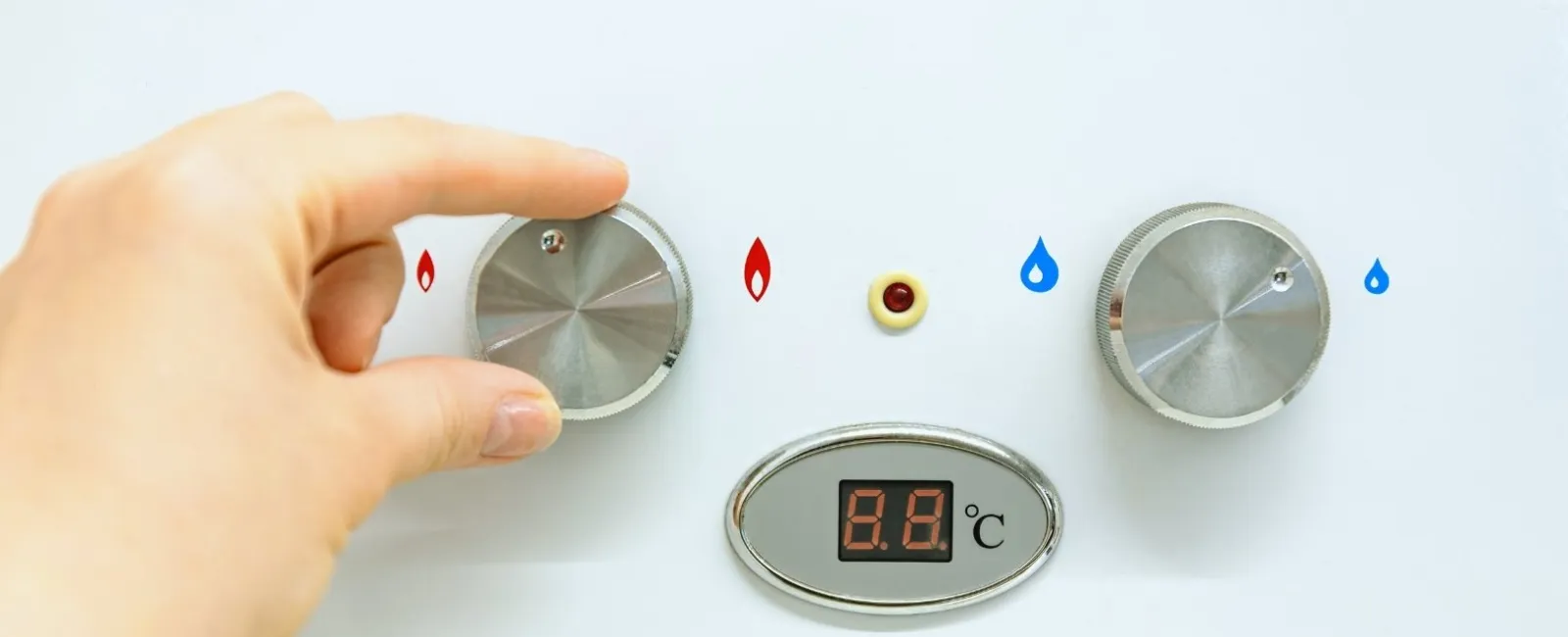
A tankless water heater heats water on demand as it flows through the unit, eliminating the standby energy loss associated with keeping a 40 or 50-gallon tank warm around the clock. Gas and electric models are both available, with gas units delivering higher flow rates and electric units offering simpler installation in many homes. With a lifespan of 20 years or more and minimal maintenance requirements, a tankless water heater is one of the longest-lasting upgrades a homeowner can make to their plumbing system.
When a homeowner calls us because their old tank unit finally gave out, one of the first questions is always whether to go tankless. It is a smart question. Understanding how these systems work, what separates gas from electric, and what the installation process actually involves makes it much easier to choose the right unit and avoid surprises down the road.
How a Tankless Water Heater Works
Understanding how a tankless water heater works makes it easier to see why so many homeowners make the switch. When you open a hot water tap, cold water travels through a pipe into the unit. A flow sensor detects the demand and activates either a gas burner or an electric heating element, which heats the water as it passes through. The moment you close the tap, the unit shuts off completely. There is no tank to reheat, no standby heat loss, and no waiting for a recovery cycle.
This on-demand water heater design means you use energy only when hot water is actually flowing. A conventional tank heater runs its burner or element repeatedly throughout the day just to maintain temperature, even when no one is home. That difference adds up over time, and it is a core reason tankless units reduce water-heating energy use by 24 to 34 percent in homes that use a moderate amount of hot water daily, according to the U.S. Department of Energy.
Tankless Water Heater Pros and Cons
Every homeowner considering a tankless water heater installation deserves a clear answer about what the technology delivers and where it falls short.
The Benefits
The tankless water heater benefits that matter most to homeowners are continuous hot water supply, longer equipment life, and reduced energy consumption. Because the unit heats water on demand rather than storing it, you never run out of hot water mid-shower. A quality tankless unit lasts 20 years or more with regular maintenance, compared to 10 to 12 years for a conventional tank. The wall-mounted footprint is also significantly smaller, freeing up utility closet or garage space.
High-efficiency condensing gas models qualify for federal energy tax credits, which offset some of the initial investment. If your home uses natural gas and already has adequate line pressure, a gas tankless unit is almost always the most efficient long-term choice.
Where Tankless Falls Short
Flow rate is the most common limitation. Every tankless unit has a maximum gallons-per-minute output, and if multiple fixtures run simultaneously, a single unit may not keep up. Proper sizing during installation prevents this, but it is a conversation worth having with your plumber before selecting a model. In colder climates, incoming groundwater temperature is lower, which reduces effective flow rate and sometimes requires a larger unit than a warmer-climate home would need.
The installation process is also more involved than a straight tank swap. Tankless gas units require PVC venting rather than a traditional metal flue, and first-time installations often require modifications to the gas line or venting. Electric whole-house units typically demand 150 to 200 amps of dedicated capacity, which means older homes may need a panel upgrade.
Gas vs. Electric Tankless Water Heater
The decision between gas and electric tankless water heaters comes down to your home's existing infrastructure and your household's hot water demand.
Gas units heat water at a higher flow rate, making them the stronger choice for larger households or homes where two or more hot water zones may run simultaneously. Natural gas and propane tankless water heaters are both options, with propane being the practical choice in areas without natural gas service. Both require proper venting and gas line sizing during installation.
Electric tankless water heaters are simpler to vent since they produce no combustion exhaust, and they work well in smaller households or as point-of-use units for a single fixture. The limitation is the electrical load. A whole-house electric unit requires significant amperage, and if your panel cannot support it, an upgrade becomes part of the project. For point-of-use applications, a small electric unit is often the most straightforward and practical solution.
Tankless Water Heater Size: Getting It Right
Tankless water heater sizing is one of the most important decisions in the installation process, and it is one of the most common areas homeowners run into trouble when selecting a unit without a professional assessment.
The key measurement is flow rate, expressed in gallons per minute. You size the unit based on the maximum number of fixtures that might run simultaneously and the temperature rise required to bring incoming groundwater up to your desired output temperature. A household that runs a shower and a dishwasher at the same time needs more GPM capacity than one where those fixtures never overlap. A plumber calculates this based on your actual fixture count, your groundwater temperature, and your usage patterns before recommending a unit size.
Undersizing is the most common mistake in DIY tankless installations. A unit that cannot meet peak demand delivers lukewarm water when multiple fixtures run simultaneously, defeating the purpose of going tankless in the first place.
Tankless Water Heater Maintenance
Tankless water heater maintenance is simpler than most homeowners expect, but skipping it is the fastest way to shorten the lifespan of an otherwise long-lasting unit.
The most important maintenance task is annual descaling, also called flushing. Hard water deposits, or mineral scale, accumulate on the heat exchanger over time, reducing efficiency and eventually causing damage. Flushing the unit with a food-grade descaling solution once a year removes that buildup and keeps the unit running at full efficiency. In areas with particularly hard water, twice-yearly flushing is worth considering.
Inline filter screens at the cold-water inlet should be checked and cleaned every 6 to 12 months. Most manufacturers also recommend an annual inspection of the venting system on gas units to confirm there are no blockages or degradation. With consistent maintenance, a quality tankless water heater can reach 20 years of service without major repairs.
Is a Tankless Water Heater Worth It?
A tankless water heater is worth it for most homeowners who plan to stay in their home for five or more years, particularly those replacing an aging tank unit. The energy savings are real, the equipment lasts longer, and the convenience of never running out of hot water is something most households notice immediately.
The strongest case for going tankless is in homes with natural gas service, adequate line pressure, and a household size that justifies a full whole-house unit. All-electric homes with panel capacity to support a whole-house electric unit are also strong candidates. The only situation where tankless may not pencil out is in a home where the infrastructure requires significant upgrades and the homeowner plans to sell within a few years.
For most homeowners replacing a 10-year-old or older tank unit, the combination of improved efficiency, extended lifespan, and the elimination of standby energy loss makes the upgrade straightforward.
The Bottom Line
Tankless water heater installation delivers continuous hot water, lower energy consumption, and a lifespan of 20-plus years when the unit is properly sized and maintained. Gas units offer higher flow rates for larger households, electric units offer simpler venting and a lower entry point for smaller homes, and annual descaling keeps either running efficiently for decades.
Thinking about going tankless? Contact our licensed plumbers for a professional assessment in Cumming, Alpharetta, Roswell, and across North Metro Atlanta. We will size the right unit for your home and handle the full installation in a single visit.

