
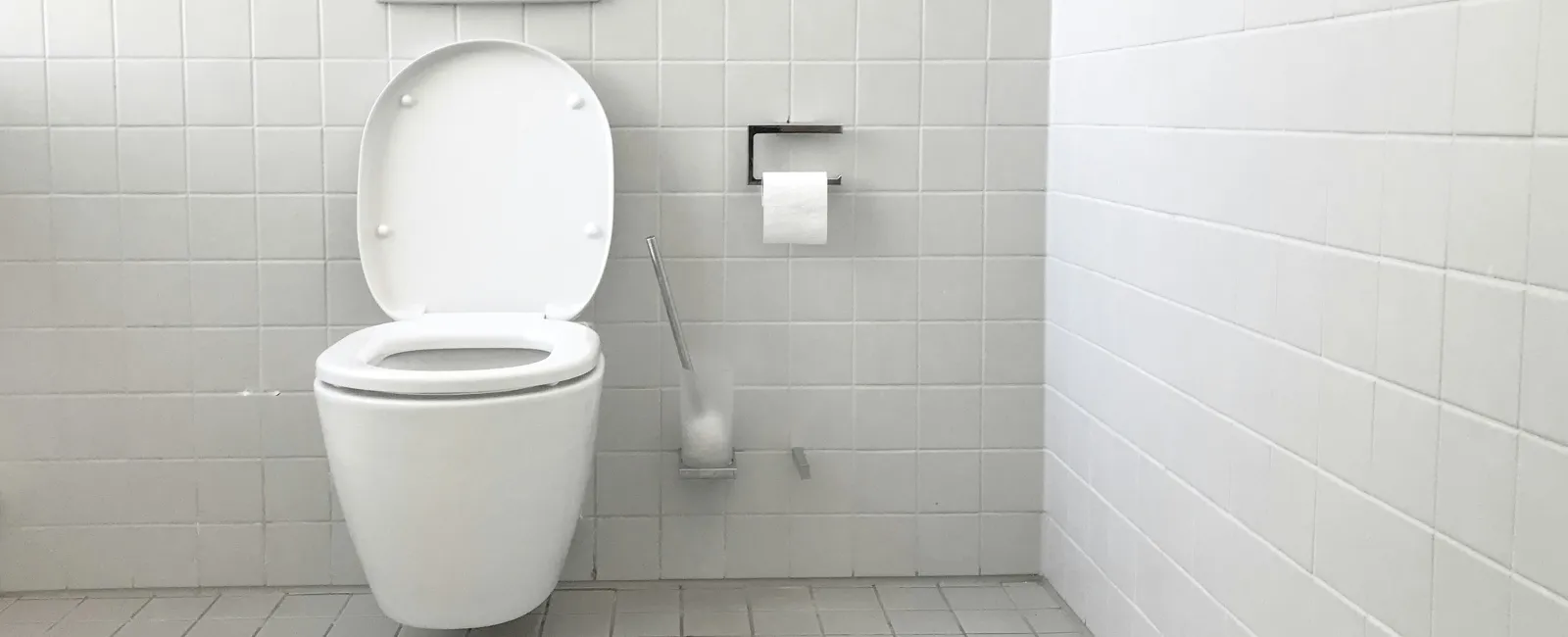
When your toilet clogs and you don't have a plunger, the rising water can quickly turn into a stressful situation. In many cases, you can clear the blockage using common household items found in a bathroom or kitchen.
After handling thousands of clogs, plumbers have identified six simple methods that often clear typical toilet clogs caused by toilet paper or waste. These DIY fixes can work well for minor blockages, but they won't solve severe clogs caused by items like wipes, toys, or other objects. In those cases, professional plumbing equipment is required.
6 Methods to Unclog a Toilet Without a Plunger
Method #1: Dish Soap and Hot Water (Success Rate: 60-70% for Soft Clogs)
What you need: Dish soap (any brand, 1/4 to 1/2 cup) and hot tap water (not boiling, very hot tap water from your sink, approximately 120-130°F).
How it works: Dish soap acts as a lubricant, coating the clog and the toilet trap (the curved section of pipe inside your toilet where clogs typically lodge) to help the blockage slide through. The hot water creates gentle pressure and softens toilet paper or waste material, breaking up the clog.
Step-by-step procedure:
- Pour 1/4 to 1/2 cup of dish soap directly into the toilet bowl, aiming for the drain opening at the bowl bottom
- Let the soap sit for 5-10 minutes to work its way down into the trap and coat the clog
- While waiting, heat water at your sink, very hot tap water, not boiling (boiling water can crack porcelain toilets)
- Pour the hot water into the toilet from waist height (the height creates gentle pressure as water falls), aiming for the center of the bowl
- Wait 10-15 minutes and check if water level drops; this indicates the clog is clearing
- Try flushing once if water level is low; if it drains normally, the clog is cleared
Best for: Toilet paper clogs, soft waste clogs, recent clogs (within the last hour). Success rate: 60-70% for these clog types.
Won't work for: Hard objects, wipes (don't break down like toilet paper), clogs beyond the toilet trap in the drain line.
Method #2: Wire Coat Hanger Snake (Success Rate: 50-60% for Accessible Clogs)
What you need: One wire coat hanger, pliers or strong hands to unwind it, rubber gloves (recommended for sanitation).
How it works: You create a makeshift drain snake by straightening a wire hanger and using it to physically break up or hook the clog. The wire reaches into the toilet trap to dislodge obstructions.
Step-by-step procedure:
- Unwrap the wire hanger at the twisted neck, straightening the entire hanger into one long wire (approximately 30-36 inches)
- Create a small hook at one end (about 1 inch) by bending the wire, this helps catch or break up the clog
- Wrap the other end with a rag or tape to protect your toilet's porcelain finish from scratches
- Feed the hooked end into the toilet drain opening at the bowl bottom, pushing gently but firmly
- When you feel resistance (the clog), push and twist the hanger to break up the obstruction
- Pull back slightly and push forward repeatedly, working the wire through the clog
- Once you feel the wire move freely through the trap, remove it and flush to test
Best for: Clogs near the toilet trap opening, partially obstructed drains, breaking up compacted toilet paper. Success rate: 50-60%
Won't work for: Clogs deep in drain lines (beyond your 30-inch reach), hard objects stuck in the trap, clogs caused by main line issues.
Method #3: Baking Soda and Vinegar (Success Rate: 40-50% for Minor Clogs)
What you need: 1 cup baking soda, 2 cups white vinegar, hot water.
How it works: The chemical reaction between baking soda (base) and vinegar (acid) creates fizzing and agitation that can help break up soft clogs. The combination also helps dissolve some organic materials.
Step-by-step procedure:
- If water level is high, remove some water with a cup or bucket to make room (aim for about 1/3 full)
- Pour 1 cup of baking soda directly into the toilet bowl, pushing it toward the drain
- Slowly pour 2 cups of vinegar into the bowl, you'll see fizzing and bubbling
- Let the mixture work for 30 minutes without flushing (the reaction needs time)
- After 30 minutes, add very hot tap water from waist height to create pressure
- Wait another 10 minutes, then test flush if water level has dropped
Best for: Light clogs, preventive maintenance for sluggish drains. Success rate: 40-50% for minor clogs
Won't work for: Substantial clogs, hard objects, clogs requiring physical force to clear.
Method #4: Toilet Brush Plunge (Success Rate: 30-40% for Shallow Clogs)
What you need: Toilet brush, plastic bag (optional, to cover bristles for sanitation).
How it works: You use the toilet brush as a makeshift plunger, creating pressure and suction to dislodge the clog. This is less effective than an actual plunger but works in emergencies.
Step-by-step procedure:
- Optionally wrap the brush bristles in a plastic bag and secure with rubber band (easier cleanup)
- Push the brush into the toilet drain opening firmly
- Use quick up-and-down plunging motions, creating pressure with each downward push
- Continue for 15-20 pushes, then pull the brush out and check if water drains
- Repeat if needed, but stop if no progress after 3 attempts
Best for: Very minor clogs near the drain opening, situations where no other tools are available. Success rate: 30-40%
Won't work for: Anything beyond the most superficial clogs, toilet brushes lack the suction and force of real plungers.
Method #5: Wet/Dry Vacuum (Success Rate: 60-70% When Available)
What you need: Wet/dry shop vacuum (must be rated for liquids; never use a regular household vacuum).
How it works: The vacuum creates powerful suction to pull the clog out of the trap or break it apart through force.
Step-by-step procedure:
- Empty the toilet bowl of excess water if needed (leave some water in the trap)
- Set wet/dry vacuum to liquid mode (check manual for correct settings)
- Place the vacuum hose into the toilet drain opening, creating as tight a seal as possible
- Turn on the vacuum at full power and hold the hose in place for 2-3 minutes
- The suction should pull the clog toward the vacuum or break it apart
- Remove hose, check the vacuum canister (you may have pulled the clog into it)
- Test flush, if water drains, the clog is cleared
Best for: Accessible clogs, situations where you have access to a shop vacuum. Success rate: 60-70%
Won't work for: Clogs deep in the line, hard objects wedged in the trap. Important: Never use a regular vacuum; it will be ruined by water and may electrocute you.
Method #6: Enzyme Drain Cleaner (Success Rate: 30-40% Over Time)
What you need: Enzyme-based drain cleaner (available at hardware stores, different from chemical drain cleaners).
How it works: Enzymes break down organic waste and toilet paper over several hours through biological action rather than corrosive chemicals.
Step-by-step procedure:
- Pour the recommended amount of enzyme cleaner (per product instructions) into the toilet
- Wait the prescribed time, usually 4-8 hours or overnight
- Do not flush during this period; enzymes need contact time with the clog
- After waiting, test flush to see if the clog has cleared
Best for: Non-emergency situations, organic clogs, preventive maintenance. Success rate: 30-40% but requires 4-8 hours
Won't work for: Immediate needs, clogs from non-organic materials, hard objects. Note: Never use chemical drain cleaners like Drano in toilets; they can damage porcelain and create dangerous fumes.
When DIY Methods Fail: Call Professional Plumbers
If you've tried 2-3 methods from above without success, the clog likely requires professional equipment and expertise. Contact our licensed plumbers immediately if:
- Multiple toilets are clogged (indicates main drain line issue, not individual toilet problem)
- Water backs up into your shower or tub when you flush (sign of sewer line blockage)
- You know a hard object was flushed (toys, phone, feminine products, wipes) that won't break down with DIY methods
- The clog returns immediately after clearing (indicates deeper drain line problems)
- Foul sewage smell accompanies the clog (potential vent stack or sewer issue)
- DIY attempts have failed after 60+ minutes (continued attempts risk overflow and water damage)
After 100+ years serving North Metro Atlanta, we've found that while DIY methods clear 75-80% of simple toilet paper or waste clogs, they fail on approximately 20-25% of clogs that involve flushed objects, main line issues, or severe blockages requiring professional augers (plumbing snakes), hydro-jetting, or camera inspection to diagnose and clear.
The Bottom Line on Unclogging Toilets Without Plungers
When you need to unclog a toilet without a plunger, six household methods offer varying success rates: Start with dish soap and hot water for quickest results with soft clogs. If that fails within 20-30 minutes, try the wire hanger method for physical removal. If you've attempted multiple methods for over an hour without progress, professional service prevents overflow damage and saves time. What takes you hours to attempt unsuccessfully, professional plumbers typically clear in 15-30 minutes using proper augers and techniques.
Toilet clog won't clear with DIY methods? Contact our emergency plumbers for professional toilet unclogging service in Cumming, Alpharetta, Roswell, and North Metro Atlanta. We provide same-day service for toilet clogs, professional drain augers, hydro-jetting for severe blockages, camera inspection for recurring clogs, and complete drain line cleaning. Most clogs are cleared in 15-30 minutes.

