

You turn on your kitchen or bathroom faucet, and instead of the strong, steady stream you expect, you get a weak trickle. Meanwhile, every other faucet in your home works perfectly fine. This frustrating situation of low water pressure in just one faucet is one of the most common plumbing complaints we hear.
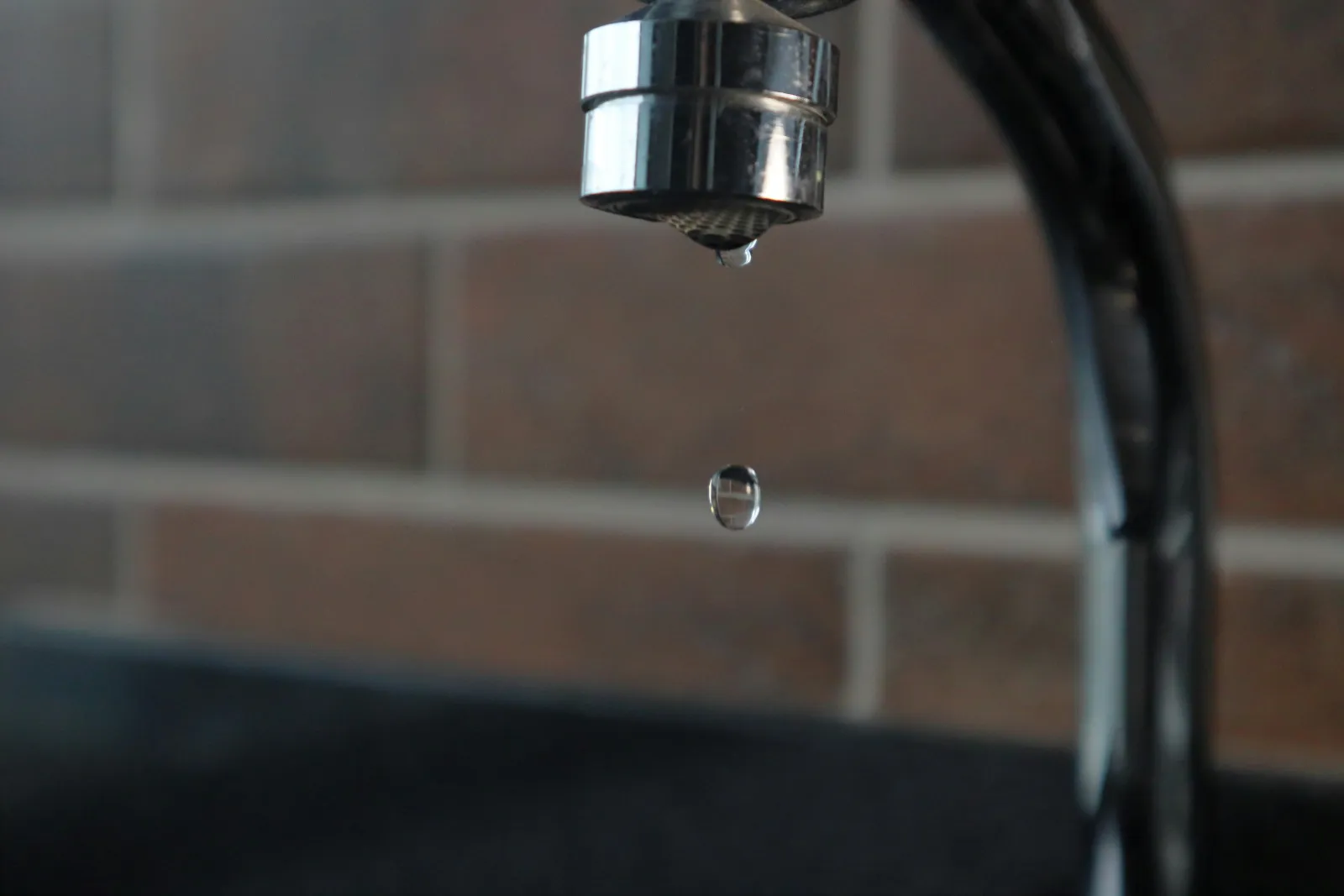
After diagnosing thousands of faucet problems since 1923, we can tell you this: when only one faucet has low pressure, the problem is almost always isolated to that specific fixture or its immediate supply line. We'll walk you through the seven most common causes of low water pressure in a single faucet, ranked from the easiest DIY fix to situations that require professional help. By the end, you'll know exactly how to diagnose your specific problem and whether you can fix it yourself or need to call in experts.
First: Confirm the Problem Is Isolated
Before troubleshooting, verify that only one faucet is affected. Turn on each faucet in your home, kitchen sink, bathroom sinks, bathtub, and shower. If they all have low pressure, you're dealing with a whole-house issue (a pressure regulator failure, a main shut-off valve partially closed, or a municipal supply problem). That's a different diagnostic path.
If only one faucet has a weak flow, you've confirmed the problem is local to that fixture. Now, determine if both hot and cold water are affected, or just one. If only hot water is weak at multiple fixtures, your water heater may be the issue. But if one faucet shows low pressure on both hot and cold, continue with this guide.
7 Causes of Low Water Pressure in One Faucet (Ranked by Fix Difficulty)
Based on decades of professional faucet repair and diagnosis, here are the causes we encounter most often, starting with the simplest fixes:
1. Clogged Aerator (Easiest Fix - 5 Minutes)
The aerator is the small screen at the tip of your faucet spout where water exits. It mixes air with water to create a smooth, splash-free stream while conserving water. Over time, mineral deposits from hard water, sediment, and debris accumulate on this mesh screen, restricting flow and dramatically reducing pressure.
This is the #1 cause of low pressure in a single faucet, accounting for about 60% of the cases we see. The good news? It's also the easiest to fix.
How to fix it:
- Unscrew the aerator by twisting it counterclockwise. Most unscrew by hand, but if it's stuck, use slip-joint pliers wrapped with a cloth to avoid scratching the finish. Once removed, inspect the screen. You'll likely see white or greenish mineral buildup or trapped debris.
- Soak the aerator in white vinegar for 1-2 hours (or overnight for heavy buildup). The vinegar dissolves calcium and mineral deposits. After soaking, scrub with an old toothbrush to remove remaining debris, rinse thoroughly, and screw it back onto the faucet.
- Turn on the water. If flow is restored, you've solved the problem. If the aerator is damaged or heavily corroded, replacements cost $3-5 at any hardware store. This is the simplest professional faucet maintenance task you can do yourself.
2. Partially Closed Shut-Off Valve (5-Second Fix)
Under every sink, you'll find shut-off valves; typically two, one for hot water and one for cold. These valves let you shut off water to that specific fixture without affecting the rest of your home. They're used during repairs, maintenance, or emergencies.
If someone recently worked on your plumbing, whether a professional or a DIYer, these valves may have been turned off and not fully reopened. Even a partially closed valve dramatically reduces water flow.
How to fix it:
Look under your sink. You'll see two supply lines (flexible tubes) running from the wall or floor to the faucet, each with a valve. For compression valves (handle-style), ensure the handles are turned fully counterclockwise. For ball valves (lever-style), ensure the lever is parallel with the pipe.
If the valve was partially closed, opening it fully should restore pressure immediately. If the valve is fully open but corroded or malfunctioning, it may need replacement, a quick job for professionals.
3. Clogged Faucet Cartridge (Moderate DIY - 30-45 Minutes)
Modern faucets use cartridges to control water flow and temperature. When you lift or turn the faucet handle, the cartridge opens internal valves to let water through. Over time, sediment, mineral deposits, and debris accumulate inside the cartridge, restricting flow and causing low pressure.
If cleaning the aerator and checking shut-off valves didn't solve the problem, a clogged cartridge is the next most likely cause.
How to fix it:
- Turn off the water at the shut-off valves under the sink. Remove the decorative cap from the faucet handle (it may pop off or require a screwdriver). Use an Allen wrench or a screwdriver to remove the screw holding the handle, then lift the handle off.
- Remove the retaining nut or clip holding the cartridge in place; this varies by faucet model. Pull out the cartridge (may require needle-nose pliers). Note its orientation before removing it; you'll need to reinstall it the same way.
- Soak the cartridge in vinegar and warm water overnight. Scrub away debris with a toothbrush. If the cartridge is damaged or heavily corroded, replace it. Take the old cartridge to a hardware store to match the correct replacement.
- Reassemble the faucet in reverse order and test.
If this solves the problem, great. If not, or if you're uncomfortable disassembling your faucet, a professional faucet cartridge replacement ensures proper installation without damaging the fixture.
4. Kinked or Blocked Supply Lines (Quick Inspection)
The flexible supply lines (braided stainless steel or plastic tubes) connecting your shut-off valves to the faucet can develop kinks, get pinched during installation, or accumulate internal debris. A kinked line physically restricts water flow, causing pressure drops.
How to diagnose:
- Look under the sink with a flashlight. Inspect both supply lines from the valve to the faucet. Look for sharp bends, kinks, or pinched sections. If you find a kink, gently straighten it. If the line is severely kinked or damaged, replace it.
- Supply lines cost $10-20 and are relatively easy to replace: turn off the shut-off valve, unscrew the old line at both ends, install the new line, and turn water back on. Check for leaks.
If supply lines look fine but you suspect internal blockage, you can disconnect one at the faucet end (with the shut-off valve closed), then briefly open the valve to see if water flows freely. If it does, the blockage is in the faucet. If not, the supply line is clogged and should be replaced.
5. Hot Water Specific Issues (Water Heater Related)
If low pressure affects only hot water at the problem faucet (and potentially other fixtures), the issue may be with your water heater rather than the faucet itself.
Common causes:
- Hot water shut-off valve partially closed: Your water heater has shut-off valves for incoming cold water and outgoing hot water. If the hot water valve is partially closed, pressure throughout your hot water system drops. Locate the water heater and ensure both valves (cold inlet and hot outlet) are fully open.
- Sediment buildup in the water heater: Over time, minerals settle to the bottom of the tank. This sediment can restrict flow and reduce pressure. Flushing your water heater annually prevents this buildup.
If you suspect water heater issues, call professionals to inspect, flush, or service the unit. Hot water pressure problems affecting multiple fixtures indicate system-wide issues beyond a single faucet.
6. Clogged or Corroded Pipes (Requires Professional Diagnosis)
In older homes, the pipes supplying water to a specific faucet can develop internal corrosion or mineral buildup, narrowing the pipe diameter. Galvanized steel pipes (common in pre-1970s homes) are particularly prone to this issue.
If you've tried all previous fixes and pressure remains low, pipe corrosion or blockage may be the culprit. This typically requires a professional inspection to diagnose and, if necessary, pipe replacement to fix.
Signs of pipe problems:
- Discolored water (rusty or brownish) from the affected faucet
- Gradual pressure decline over months or years
- Home built before 1980 with original plumbing
- Other fixtures in the same area are also experiencing reduced pressure
Professional plumbers can use pressure testing and camera inspection to pinpoint corroded sections and determine whether pipe repair or replacement is necessary.
7. Faulty or Worn Faucet (Replacement Needed)
Sometimes, the faucet itself is simply worn out. Internal components beyond the cartridge, such as seals, O-rings, and valve seats, can deteriorate with age, leading to leaks and pressure loss. If your faucet is more than 15-20 years old and you've tried all other fixes, replacement may be the most cost-effective solution.
Signs you need faucet replacement:
- Visible corrosion or damage to the faucet body
- Leaks around the base or handle
- Cartridge and aerator replacement didn't fix the problem
- The faucet is outdated or incompatible with modern parts
Professional faucet installation and replacement ensure proper fit, function, and prevent leaks. Modern faucets also offer improved water efficiency and often include features such as pull-down sprayers or touchless operation.
Quick Diagnostic Flowchart: What to Check First
Follow this systematic approach to diagnose low pressure in one faucet efficiently:
Step 1: Remove and clean the aerator. Test pressure.
Step 2: Check shut-off valves under the sink. Are they fully open? Adjust and test.
Step 3: Inspect supply lines for kinks or damage. Straighten or replace if needed.
Step 4: Is only hot water affected? Check water heater shut-off valves and consider sediment buildup. If still low, continue.
Step 5: Remove, clean, or replace the faucet cartridge.
Step 6: If none of the above worked, call professional plumbers. You likely have pipe corrosion, hidden leaks, or a faulty faucet that needs to be replaced.
This systematic approach prevents wasting time on unlikely causes and moves logically from the simplest to the most complex solutions.
When to Call Professional Plumbers
Some situations require professional expertise:
- DIY attempts didn't work: If you've cleaned the aerator, checked valves, and inspected supply lines, but pressure remains low
- You're uncomfortable disassembling the faucet: Cartridge replacement requires care to avoid damage
- Water is discolored: Rusty or brown water suggests pipe corrosion requiring professional diagnosis
- Multiple faucets are affected: While this guide addresses single-faucet issues, if the problem spreads, it indicates system-wide concerns
- You need faucet replacement: Professional faucet installation ensures proper function, prevents leaks, and saves time
- Leaks develop after DIY attempts: If your repair created leaks, call professionals to fix the issue correctly
Professional plumbers have specialized tools, replacement parts, and experience to quickly diagnose complex issues. We can pressure-test lines, inspect the internal condition of pipes, and determine whether repair or replacement is the most cost-effective solution.
The Bottom Line: Start Simple, Then Scale Up
When one faucet has low water pressure but others work fine, you're dealing with a local issue, not a whole-house problem. The cause is almost always one of seven issues: clogged aerator, partially closed shut-off valve, blocked cartridge, kinked supply line, water heater problem, corroded pipe, or worn faucet.
Still Dealing with Low Water Pressure?
At Total Mechanical Care, we've been diagnosing and repairing faucet problems since 1923. Our licensed plumbers quickly identify the exact cause of pressure issues, whether it's a simple cartridge replacement or a more complex pipe problem.
We offer flat-rate pricing with no surprises, same-day service availability, and expertise with all faucet brands and models. Whether you need a quick fix, cartridge replacement, or complete faucet installation, our experienced team provides permanent solutions.
Contact Total Mechanical Care today for professional faucet diagnosis and repair.


