
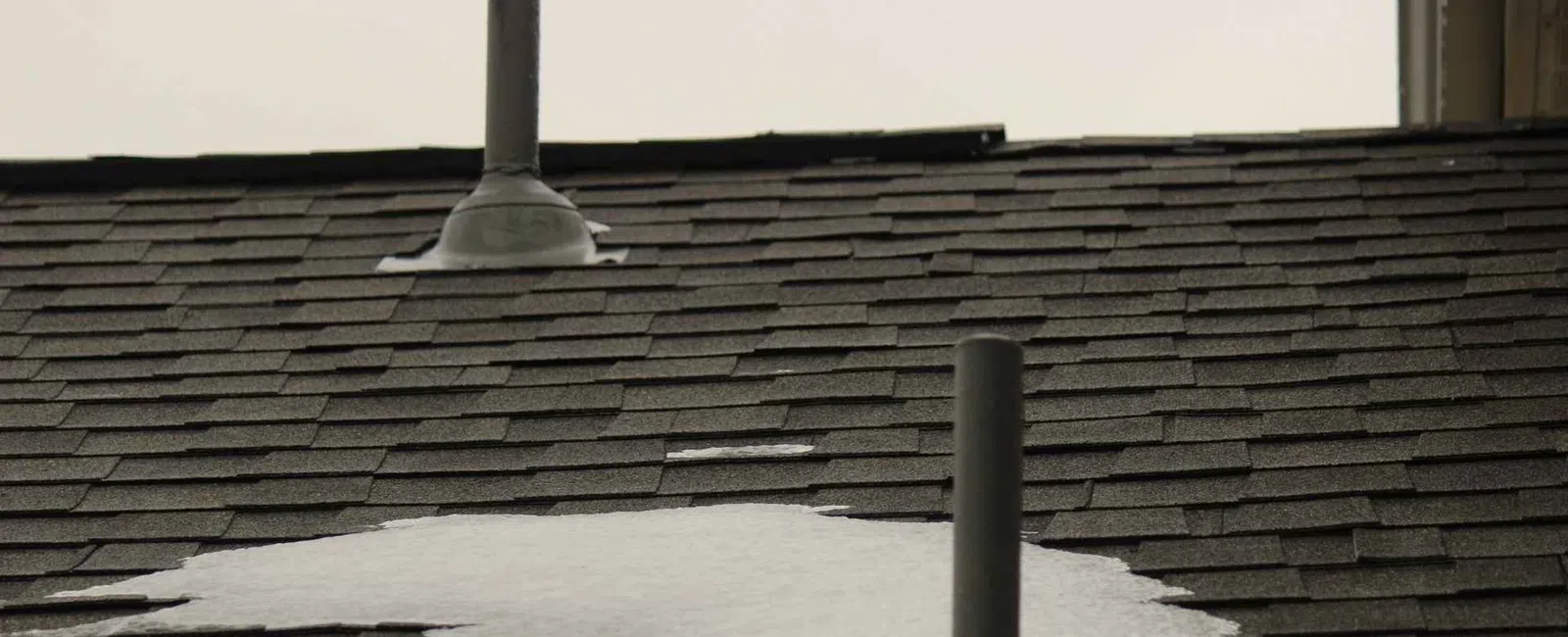
When multiple drains in your home start gurgling, when slow drainage appears across different fixtures on the same day, or when a sewage smell drifts through the house without any visible backup, the problem usually isn't in the drains themselves. It's above them. A clogged vent stack, the vertical pipe that runs from your drain system up through the roof, disrupts air pressure throughout your entire plumbing system and produces symptoms that look like drain clogs but don't respond to drain cleaning.
This distinction matters because many homeowners and even some plumbers go straight to the drains when these symptoms appear. They snake the toilet, clear the sink drain, and the problem comes right back. That's because the vent stack is the actual source, and until it's cleared, the drain system can't work correctly, no matter how clean the drain lines are.
Since 1923, Total Mechanical Care has diagnosed and cleared blocked plumbing vents for homeowners and commercial facilities throughout North Metro Atlanta. Here's how to recognize a clogged vent stack, what typically causes the blockage, and what clearing it actually involves.
How the Vent Stack Works
Every drain in your home connects to a drain-waste-vent system. The drain side carries wastewater out to the sewer or septic. The vent side carries air in to replace the space left by water as it drains. Without that air supply, draining water creates negative pressure in the pipe, the same effect as holding your thumb over a straw and lifting it out of a drink. The liquid either drains slowly or pulls air from wherever it can find it, usually through the water in your fixture traps.
The vent stack is the main vertical pipe that collects branch vents from individual fixtures and runs them up through the roof to the open air. When it's clear, you never think about it. When it's blocked, the entire drain system loses its air supply and starts behaving strangely all at once.
Symptoms of a Clogged Vent Stack
The key difference between a vent stack problem and a drain clog is scope. A single slow drain or a clogged toilet is almost always due to a localized blockage in that fixture's line. A clogged vent stack affects multiple fixtures simultaneously because the entire system shares the same air supply.
Gurgling sounds from toilets, sinks, or tub drains when other fixtures are used are among the most reliable signs. When someone runs the shower and the toilet gurgles, or the washing machine drains and the nearby sink bubbles, the drain system is pulling air through fixture traps because the vent stack can't supply it. That bubbling through the trap water is what you hear. For more details on similar symptoms, see common sink gurgling issues.
Slow drainage across multiple fixtures is another strong indicator, particularly when snaking individual drains doesn't produce lasting improvement. If a toilet drains slowly and clearing it helps for a day or two before the sluggishness returns, the vent is more likely to be the culprit than the drain line.
The sewer gas smell inside the house is a more serious symptom. When negative pressure in the drain system is strong enough, it can siphon the water out of fixture traps entirely. Those traps are the only barrier between your living space and sewer gases. An empty trap lets those gases through, which produces the sewage odor you smell, even when no drains are actively backing up. Learn more about sewer smells in bathrooms.
For a deeper look at how vent problems specifically affect toilets, our post on toilet gurgling covers that symptom in detail.
What Causes a Vent Stack to Clog
The top of the vent stack is open to the sky, which means anything that can get into a 2- to 4-inch pipe opening on your roof can eventually block it.
Debris accumulation is the most common cause. Leaves, twigs, and organic material fall into the vent opening over time and settle toward the bottom of the pipe. On their own, small amounts of debris may not fully block the vent, but combined with anything sticky (bird droppings, sap, wet leaves that compress) they can form a partial or complete obstruction that restricts airflow.
Animal nests are a frequent culprit, particularly from birds and squirrels. A vent stack opening is an attractive, sheltered space, and nesting material packed into the pipe can create a blockage that is surprisingly dense. Unlike a debris clog that develops gradually, a nest can block a vent stack quickly once an animal decides to move in.
Ice dams are seasonal but worth knowing about. In winter, the warm, moist air rising through the vent stack meets cold air at the roof opening and can freeze, gradually closing it. This is more common in older vent pipes without insulation near the roofline and in climates where temperatures drop sharply. If your gurgling and slow-drain problems appear in winter and resolve in spring, ice is a likely explanation.
Partial blockages from buildup inside the pipe are less common than roof-level obstructions but do occur, particularly in older cast-iron vent stacks where corrosion or mineral deposits narrow the interior over decades. In rare cases, a section of vent pipe that has shifted or separated inside a wall can also disrupt airflow without producing a classic roof-level blockage.
Clogged Vent Stack vs. Clogged Main Drain Line
These two problems share several symptoms and are frequently confused, which is worth addressing directly because their fixes are completely different.
A clogged main drain line causes backups because wastewater has nowhere to go. When the main line is blocked, water backs up into the lowest fixtures in the house, often a basement toilet, floor drain, or shower. You'll typically see actual standing water or sewage coming up through drains, not just slow drainage or gurgling. For issues with shower drains, see how to clear a shower drain.
A clogged vent stack causes drainage problems because the system can't breathe, not because the drain line is physically blocked. Water can still drain, just slowly and noisily. You may hear gurgling without seeing backups, or notice that drains respond sluggishly across the house, even though nothing is visibly obstructed.
In practice, the clearest diagnostic test is this: if snaking the drain lines doesn't improve the symptoms, or the improvement is temporary, the vent stack is the more likely problem. A plumber can confirm this with a simple smoke test or by running water while listening to the system's behavior at different fixtures.
How Plumbers Clear a Clogged Vent Stack
Clearing a blocked plumbing vent requires roof access, which is one reason this isn't a typical DIY repair. The process involves getting on the roof, locating the vent stack opening, and either removing the obstruction directly or running a snake down through the vent pipe to break up and clear whatever is causing the blockage.
For debris and nest blockages near the top of the pipe, the clearing is often straightforward once you're on the roof. The obstruction can be removed by hand or with a retrieval tool, and flushing the vent with a garden hose confirms the pipe is clear all the way through. For deeper blockages or ice dams, a drain snake fed down through the vent opening breaks up the obstruction and allows it to fall into the drain system below, where it exits through the main drain line.
After clearing, a plumber will typically run water through multiple fixtures and listen to the system to confirm that the gurgling has stopped and drainage has returned to normal speed. If symptoms persist after the vent is cleared, it may indicate a secondary blockage in the drain line itself or a vent pipe that has partially separated inside a wall and needs repair.
Installing a vent cap or guard over the roof opening after clearing prevents debris and animals from re-entering the pipe. These screens allow air to flow freely while keeping out leaves, nesting material, and larger debris. For commercial buildings with multiple vent stacks, installing caps on all openings during a single service visit is a straightforward way to prevent recurring blockages.
Clogged Vent Stacks in Commercial Buildings
Commercial facilities face the same vent stack problems as residential homes, but on a larger scale. A multi-story office building, restaurant, or hotel may have several vent stacks serving different drain zones, and a blockage in any one of them affects all the fixtures connected to that zone. Tracking down which vent stack is causing symptoms in a large building requires systematic diagnosis rather than simply clearing the most accessible pipe.
For commercial properties, keeping vent stacks on a periodic inspection schedule, especially after storm seasons when debris accumulation is highest, helps prevent system-wide drainage problems that disrupt operations and prompt tenant complaints. Our commercial plumbing team can inspect and clear vent stacks as part of a broader building maintenance plan, including installing protective caps on all roof penetrations to reduce future service calls. Also, property managers should understand commercial plumbing maintenance to better maintain their buildings.
When to Call a Plumber
If you're seeing gurgling across multiple fixtures, drainage problems that don't respond to snaking individual drains, or sewage odors appearing inside the house without an obvious source, a clogged vent stack is a strong possibility and worth having a plumber assess. The diagnostic process is quick, clearing is usually straightforward once the blockage is located, and symptoms resolve immediately once the vent is reopened.
Attempting to clear a vent stack yourself means getting on the roof with a snake, which carries real safety risks and requires the right equipment to do it effectively. For most homeowners and virtually all commercial facility managers, this is a job that makes more sense to hand off.
Total Mechanical Care serves Cumming, Alpharetta, Roswell, and North Metro Atlanta for vent stack clearing and inspection, plumbing vent cap installation, smoke testing to confirm vent blockages, and full drain-and-vent system diagnosis. Most blocked vent stacks are cleared in a single visit, and the difference in how the system drains afterward is immediate.
Preventing Future Vent Stack Clogs
The most reliable prevention is a vent cap or mesh guard installed over each roof vent opening. These are inexpensive, require no ongoing maintenance, and eliminate the two most common causes of blockage: debris and animal nests. If your home or building doesn't have them, having them installed at the same time as a vent clearing is the logical move.
Beyond that, paying attention to your drain system's behavior is the best early warning system. Occasional gurgling from a single fixture is usually a localized drain issue. Gurgling that occurs across multiple fixtures, especially if it develops quickly, points to the vent system and is worth having checked before the symptoms worsen.


