
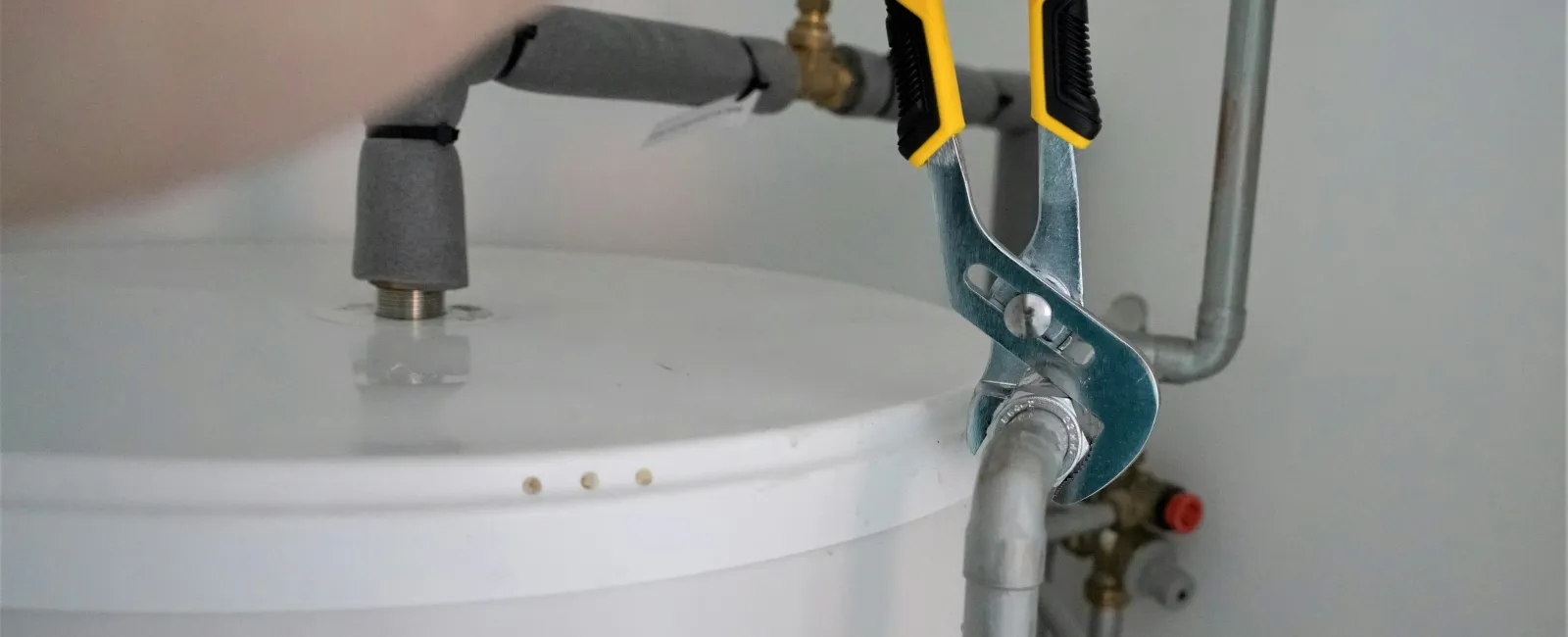
Drip your faucets when the overnight forecast calls for temperatures at or below freezing, and start sooner if any of your pipes run through exterior walls or unheated spaces. A slow trickle of cold water from the faucet farthest from where your water line enters the house keeps water moving through the system and lowers the odds of a burst pipe.
Why You Should Drip Your Faucets
A dripping faucet is a small price to pay to avoid one of the messiest plumbing problems a home can have. When a frozen pipe bursts, it can release a lot of water quickly, and the break is often inside a wall, under a floor, or in an attic where you won't see it right away. By the time water shows up on a ceiling or baseboard, drywall, flooring, and insulation may already be soaked.
A burst pipe also means shutting off the water to the house until the damaged section is repaired. On a cold morning with a full household, that's no small inconvenience.
Dripping, by comparison, takes a few seconds and uses very little water, and you only do it on the nights that call for it.
What Temperature Should You Drip Your Faucets?
Start dripping when the forecast shows 32°F or lower for several hours, especially overnight. That's the safe rule. Pipes in unheated spaces typically freeze once the outdoor temperature falls to around 20°F, but your house may not follow the average.
Your threshold is higher if pipes run along an exterior wall or through a crawl space, attic, or garage, since those spots lose heat faster than the middle of the house. Wind pulls that heat out even faster, and a pipe that has frozen before will likely be first in line again.
So if tonight's low is 30°F with a stiff wind and your kitchen sink sits on an outside wall, drip it. If the low is 33°F and your plumbing is all inside heated space, you can probably skip it.
What Temperature Do Pipes Freeze, and Why Do They Burst?
Water freezes at 32°F, but the air outside has to stay well below that for a while before the water inside a pipe turns to ice. Insulation, the heat in your home, and how long the cold lasts all slow it down.
The ice itself usually isn't what splits the pipe. First, a plug of ice forms in the coldest section. As more water freezes and expands, it squeezes the water trapped between that plug and the closed faucet. The pressure keeps building until the pipe gives way, often somewhere away from the ice, which is why a burst can show up in a spot that never felt cold.
Dripping helps in two ways. Moving water is harder to freeze than water sitting still, and an open faucet gives that built-up pressure an escape route.
Which Faucets to Drip During a Freeze
You don't need to open every tap in the house. Pick the faucets most likely to protect the pipes most at risk:
- The faucet farthest from where your main water line enters the house, since water headed there has to travel through the whole system
- Any sink on an exterior wall, especially a kitchen sink under a window
- Faucets fed by pipes that run through a crawl space, attic, or garage
- A fixture that has frozen before
In many homes, dripping the farthest faucet alone keeps water moving through most of the system. Add the others when they sit on pipes you know are exposed.
Should You Drip Hot or Cold Water?
Drip the cold side. The cold supply line is the one more likely to freeze. On a single-handle faucet, turn the handle all the way to cold before you open it.
How Fast Should Faucets Drip?
A thin, steady trickle is enough, about the rate that would fill a gallon pitcher in an hour. A full stream wastes water without adding much protection. If a sink drains slowly, check it before bed so the trickle doesn't back up overnight.
Other Steps That Protect Pipes on a Freezing Night
Dripping works best alongside a few simple habits:
- Open the cabinet doors under sinks on exterior walls so warm room air reaches the pipes
- Keep the thermostat at the same setting day and night instead of turning it down while you sleep
- Disconnect garden hoses from outdoor faucets so water can't sit trapped in the spigot
- Keep the garage door closed if water lines run through the garage
- Wrap exposed pipes in crawl spaces and attics with foam pipe insulation before the cold arrives
If you're leaving home during a cold stretch, leave the heat on. Shutting off the main water valve and draining the lines is another option for longer trips, since empty pipes have nothing to freeze.
What It Means When a Dripping Faucet Stops
If a faucet you left dripping goes quiet, or you turn on a tap in the morning and get only a trickle, a pipe feeding it has likely frozen. Leave that faucet open so water can flow as the ice melts, and never use an open flame or torch to warm a pipe.
The bigger risk comes during the thaw. A pipe that split under pressure overnight may not leak until the ice melts, so watch the walls, ceilings, and floors near that line once temperatures rise. If you see water, close the main shutoff valve right away.
When to Call a Plumber
Call for help if you can't find which pipe is frozen, the frozen section is inside a wall or ceiling, or a pipe has already cracked. Total Mechanical Care offers emergency plumbing services, so a licensed plumber is available at 404-907-1924 when a freeze turns into a leak.
After the cold passes, we handle the cleanup work too, from pipe leak detection and repair to faucet and fixture repairs. If the damage is on the line between the meter and your house, our water line repair team can find the break and fix it.


