
Polybutylene pipe was installed in an estimated six to ten million homes built between 1978 and 1995. It fails because the chlorine in municipal water reacts with the plastic, making it brittle from the inside out until it cracks and leaks. The damage is internal, so a line can look fine right up until it bursts, often inside a wall or under a slab.
No class action settlement covers replacement anymore, since the claim deadline from the Cox v. Shell case passed in 2009. A homeowner who still has polybutylene today is on the hook for the cost and the risk. Across Metro Atlanta, where much of the housing stock went up during the exact decades this pipe was used, it is still in service in thousands of homes.
What Polybutylene Pipe Is
Polybutylene is a flexible plastic plumbing pipe made from the late 1970s through the mid-1990s as a cheaper, easier-to-install alternative to copper. It was used for residential water supply, in both the main line into the house and the interior lines feeding fixtures.
Builders adopted it widely during a period of fast housing growth. Production stopped in the mid-1990s once the failures were well documented, and it has not been an approved material under modern plumbing code since.
How to Identify Polybutylene Pipes
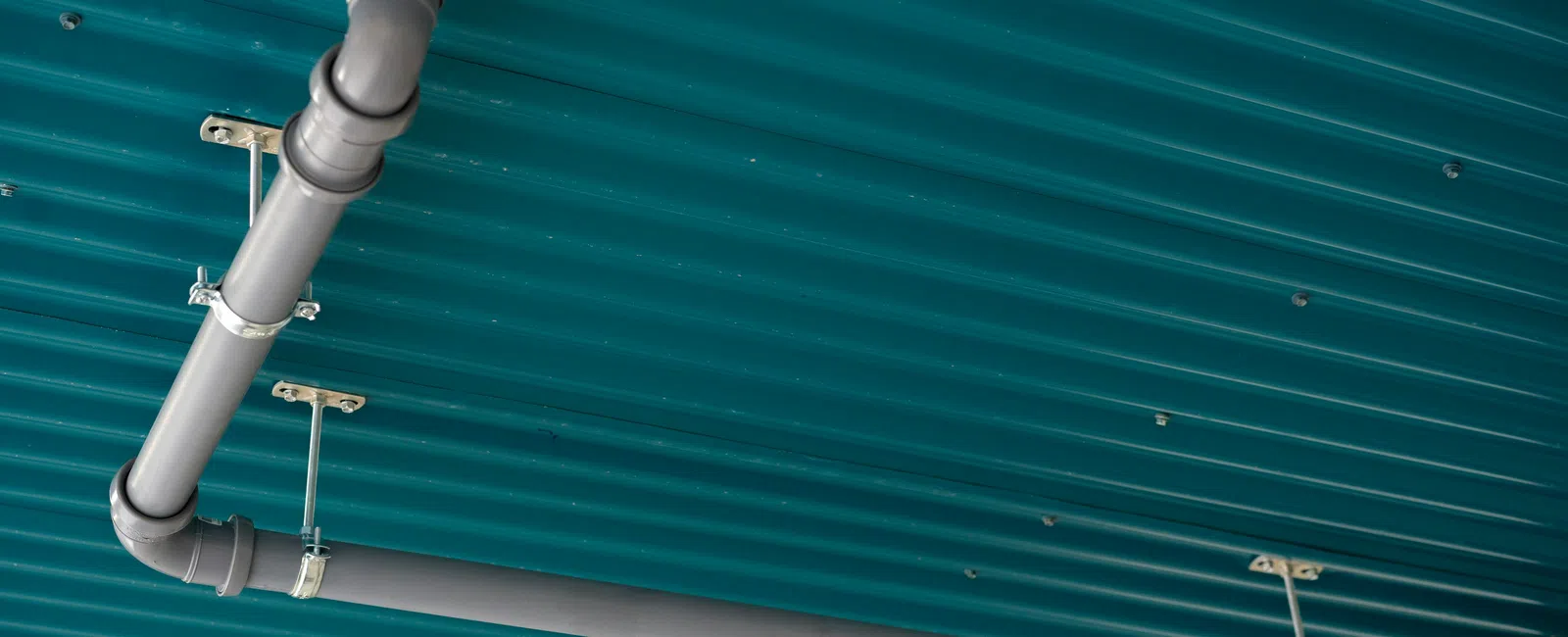
Polybutylene is usually gray, though it was also made in blue, black, and white, with a dull matte surface rather than a glossy one. It is most often half-inch or three-quarter-inch and flexible enough to bend slightly by hand. The clearest identifier is the stamp on the pipe, which reads PB2110.
Look at the water heater, under sinks, at the main shutoff where the water line enters, and in the basement or crawlspace. Blue polybutylene often appears outdoors on the underground service line. Since the pipe is usually hidden inside walls, a visible length at any of these points confirms the whole system.
| Identifier | What to look for |
|---|---|
| Color | Usually gray; also blue, black, or white, with a dull matte finish |
| Stamp | Marked PB2110, the industry code for polybutylene |
| Size and feel | Half-inch or three-quarter-inch, flexible enough to bend by hand |
| Where it shows | At the water heater, under sinks, at the main shutoff, in the crawlspace or basement |
| Outdoors | Blue PB on the underground service line between the meter and the house |
Why Polybutylene Pipe Fails
The failure is chemical, not mechanical. Chlorine and other oxidants in treated water react with the polybutylene and the acetal plastic fittings that join it, so the material flakes and scales on the inside and grows brittle.
Cracks form on the inner wall and work outward until the pipe splits or a fitting lets go, with no visible warning first. The fittings tend to fail first, which is why many leaks start at a joint, and both high water temperature and high incoming pressure speed it up.
The Risks of Leaving Polybutylene in Place
A system that has not failed yet is still aging toward it, and the damage is worst when a line lets go inside a wall, above a ceiling, or under a slab. A sudden burst there can cause extensive water damage before anyone notices.
Polybutylene also affects insurance and resale. Many insurers charge higher premiums or decline coverage until it is replaced, and inspectors flag it during a sale, so buyers routinely ask for replacement or a price concession. The pipe is a liability whether or not it has leaked.
Replacing Polybutylene Pipe
Replacing polybutylene means repiping with a modern approved material, most often PEX or copper. PEX is a flexible plastic that resists the chlorine degradation that destroys polybutylene, and copper is the long-established metal alternative.
A whole-house repipe runs new lines to every fixture, and a skilled crew routes them through existing wall and ceiling cavities to limit the drywall that has to be opened. Scope depends on the home's size and layout, slab versus crawlspace, and whether the underground service line needs replacing too. A licensed plumber maps the full system first and prices the job before any work begins.
Why This Matters for North Georgia Homes
The timing of Metro Atlanta's growth is what makes polybutylene a regional issue. Much of the housing stock across Cumming, Alpharetta, Roswell, and the surrounding counties went up in the 1980s and early 1990s, the peak years for polybutylene, so it is common in exactly the neighborhoods now aging into the failure window.
Total Mechanical Care inspects homes for polybutylene, confirms it by the PB2110 stamp and the fitting type, and repipes with PEX or copper when replacement is the right call. Catching it early is what separates a planned repipe from an emergency cleanup after a burst line.
Home Built in the 80s or 90s? Check for Polybutylene
Total Mechanical Care has served North Georgia homeowners for generations, backed by more than 100 years of combined plumbing experience. For a home built between 1978 and 1995, confirming whether polybutylene is still in service is a straightforward inspection, and replacing it is a planned job rather than an emergency when it is caught early. The team will identify the pipe, map the system, and repipe with a modern material, with flat-rate pricing agreed before the work starts and a satisfaction guarantee. Call 404-738-8679 or book online.


