
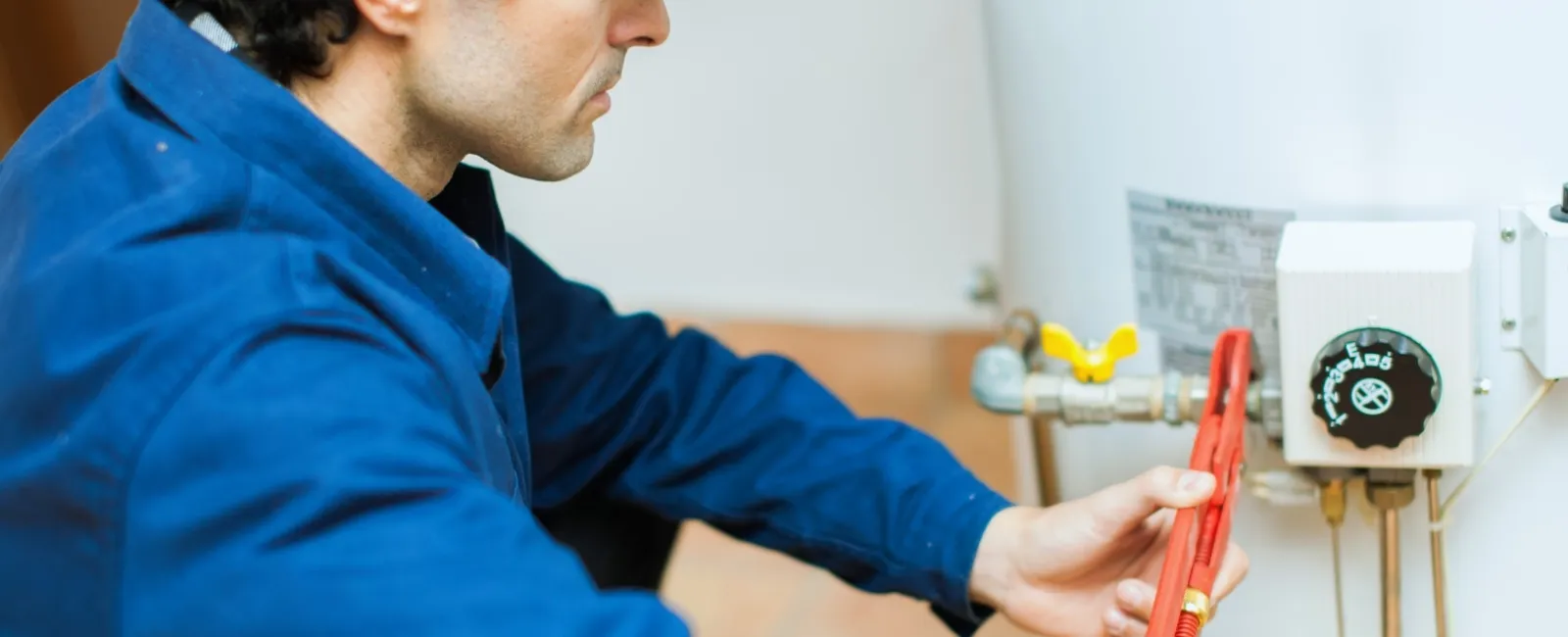
When your gas water heater pilot light ignites successfully but immediately goes out the moment you release the control button, you're experiencing one of the most common and most frustrating water heater problems homeowners face. The pilot lights burn steadily while you hold the button down, but the second you release it, the flame dies, leaving you without hot water and wondering what's wrong.
After servicing thousands of gas water heaters since 1923, our licensed plumbers know this specific symptom, pilot lights but won't stay lit, points to five primary causes, with one accounting for approximately 60% of all cases: a faulty thermocouple that fails to sense the pilot flame and incorrectly signals the gas valve to shut off gas flow. The good news: most of these causes are fixable within 15-30 minutes with professional repair, typically without requiring full water heater replacement.
Understanding How Your Pilot Light Safety System Works
Before diagnosing why your pilot won't stay lit, it's helpful to understand the safety mechanism preventing gas flow when no flame is detected. Your gas water heater uses a thermocouple, a heat-sensing safety device consisting of two dissimilar metals joined together that, when heated by the pilot flame, generate a small electrical current (about 25-30 millivolts). This current opens an electromagnetic valve in the gas control valve, allowing gas to flow to both the pilot and main burners.
When you press and hold the pilot button, you're manually overriding this safety system, forcing gas to flow to the pilot even if the thermocouple senses no heat. This is why the pilot light stays lit while you hold the button: you're bypassing the thermocouple entirely. The moment you release the button, the system relies on the thermocouple to keep the gas valve open.
This safety system prevents dangerous gas leaks if the pilot flame ever blows out unexpectedly, without it, unburned gas would continue flowing into your home, creating explosion and asphyxiation hazards. Understanding this mechanism helps you appreciate why "won't stay lit" specifically indicates a safety system problem rather than an ignition problem.
5 Causes Why Your Pilot Light Won't Stay Lit
1. Faulty or Dirty Thermocouple (60% of Cases)
What's happening: The thermocouple, the small copper tube with a sensor tip positioned directly in the pilot flame, is either failing to heat up sufficiently, is electrically worn out and can't generate adequate voltage, or is so covered in carbon deposits and soot that heat can't transfer effectively to the sensor. Even though the pilot flame appears normal, the thermocouple isn't getting hot enough to generate the 25-30 millivolts needed to hold the gas valve open.
How to identify this cause:
- The pilot lights easily and burns steadily while you hold the button (typically 60 seconds as instructed)
- The flame dies within 1-5 seconds of releasing the pilot button
- The thermocouple tip appears black, sooty, or corroded rather than clean copper-colored
- The pilot flame doesn't fully engulf the thermocouple tip—the tip sits above, below, or to the side of the flame rather than in its center
- Your water heater is 7+ years old (thermocouples wear out over time)
If you're uncomfortable working with gas connections or the problem persists after replacement, contact our licensed plumbers for thermocouple diagnosis and replacement. We can also test the millivolt output to confirm whether the thermocouple or gas valve is the actual problem.
2. Dirty or Clogged Pilot Orifice (20% of Cases)
What's happening: The pilot orifice, the tiny opening where gas exits to create the pilot flame, is partially blocked by dirt, rust particles, spider webs, or mineral deposits. This restriction reduces gas flow, creating a weak, small pilot flame that doesn't generate enough heat to properly warm the thermocouple, even though the thermocouple itself is functioning correctly.
How to identify this cause:
- The pilot flame is noticeably smaller or weaker than normal (less than 1/2 inch tall)
- The flame appears yellow or orange instead of primarily blue, with a yellow tip
- The flame flickers or wavers even without drafts
- The pilot takes longer than normal to light or requires multiple attempts
- You can see debris or spider webs near the pilot opening
3. Drafts or Improper Ventilation (10% of Cases)
What's happening: Air currents from nearby doors, windows, HVAC vents, or exhaust fans are strong enough to blow out the small pilot flame after you release the pilot button. Alternatively, if your water heater is in a confined space without adequate combustion air, negative pressure created when other appliances operate (furnaces, dryers, exhaust fans) can pull air down through the flue, extinguishing the pilot.
How to identify this cause:
- The pilot stays lit for several seconds to several minutes before going out (not immediately)
- The flame flickers or leans to one side before extinguishing
- The pilot goes out only when certain appliances run (furnace, bathroom fan, dryer)
- Your water heater is in a small closet or mechanical room with a limited air supply
- You feel air movement near the water heater when doors or windows open
How to fix it:
If drafts are the cause, identify and eliminate the source of the air current. Seal gaps around doors or windows near the water heater. Redirect HVAC vents away from the pilot area. Ensure the water heater has adequate combustion air. Gas water heaters require approximately 50 cubic feet of air per 1,000 BTUs of input (check your water heater's rating plate). For water heaters in confined spaces, you may need to install combustion air vents providing outside air. Our licensed plumbers can evaluate your water heater's ventilation and combustion air supply to ensure safe operation and prevent pilot outages.
4. Failed Gas Control Valve (7% of Cases)
What's happening: The gas control valve, the main control unit on the front of your water heater containing the temperature dial, pilot button, and internal gas regulation components, has failed mechanically or electrically. Even though the thermocouple is generating an adequate voltage, the electromagnetic valve in the gas control unit isn't staying open due to an internal component failure. This is less common than thermocouple failure but occurs in older water heaters or after power surges.
How to identify this cause:
- You've already replaced the thermocouple, but the pilot still won't stay lit
- Testing the thermocouple with a multimeter shows adequate voltage (25-30 millivolts) when heated
- The gas control valve is 10+ years old or has visible corrosion
- You hear clicking or buzzing from the gas valve when attempting to keep the pilot lit
- The pilot goes out immediately upon release, regardless of how long you hold the button
Contact our water heater specialists for diagnosis and replacement of gas control valves. We test the existing valve to confirm failure before replacement, ensuring you don't pay for unnecessary parts.
5. Kinked, Damaged, or Misaligned Pilot Tube (3% of Cases)
What's happening: The pilot tube, the small copper or aluminum tube carrying gas from the gas control valve to the pilot orifice, is kinked, crushed, or has developed a leak, restricting gas flow to the pilot. This creates insufficient gas pressure at the pilot, resulting in a weak flame that can't adequately heat the thermocouple. Alternatively, the pilot tube connection at the gas valve has loosened, creating a gas leak that reduces pressure.
How to identify this cause:
- You smell gas near the water heater (indicating a leak in the pilot tube or connections)
- Visible kinks, bends, or damage to the pilot tube
- The pilot flame is extremely weak despite a clean orifice
- Recent work or maintenance near the water heater (tube may have been bumped or damaged)
- Corrosion or white mineral deposits at tube connections, suggesting gas leaks
How to fix it:
Do not attempt to locate or repair the leak yourself. Once safe, contact our emergency plumbers for pilot tube inspection, leak detection, and repair. Pilot tube replacement requires proper sizing, connection, and leak testing to ensure safe operation.
When to Call a Professional Plumber
Contact our licensed water heater specialists if:
- You smell gas at any point, this is an emergency requiring immediate professional attention
- You've cleaned and replaced the thermocouple, but the pilot still won't stay lit
- You're uncomfortable working with a gas connection, or you don't have the tools needed
- The water heater is more than 12-15 years old and is experiencing multiple issues (may be more cost-effective to replace)
- You need combustion air vents installed or ventilation system modifications
- The gas control valve needs replacement (requires professional installation and safety testing)
After 100+ years serving North Metro Atlanta, we've found that 60% of pilot lights that won't stay lit are caused by faulty thermocouples (either dirty or electrically failed). Professional diagnosis typically takes 15-30 minutes and identifies the exact cause, preventing unnecessary part replacements and ensuring a safe repair.
The Bottom Line on Pilot Lights That Won't Stay Lit
A water heater pilot light that ignites but won't stay lit after you release the pilot button almost always indicates one of five problems: a faulty or dirty thermocouple that can't generate adequate voltage to hold the gas valve open.
The key diagnostic distinction: if the pilot dies immediately (within 1-5 seconds) after releasing the button, suspect the thermocouple or gas valve. If it stays lit for several seconds to minutes before going out, suspect drafts, ventilation, or a weak flame from a dirty orifice. Most homeowners can successfully fix thermocouple and/or orifice issues within 15-30 minutes using basic tools, while gas valve and pilot tube problems require professional service to ensure safe repair.
Pilot light won't stay lit even after holding the button 60+ seconds? Contact our licensed water heater specialists for fast diagnosis and repair in Cumming, Alpharetta, Roswell, and North Metro Atlanta.


