
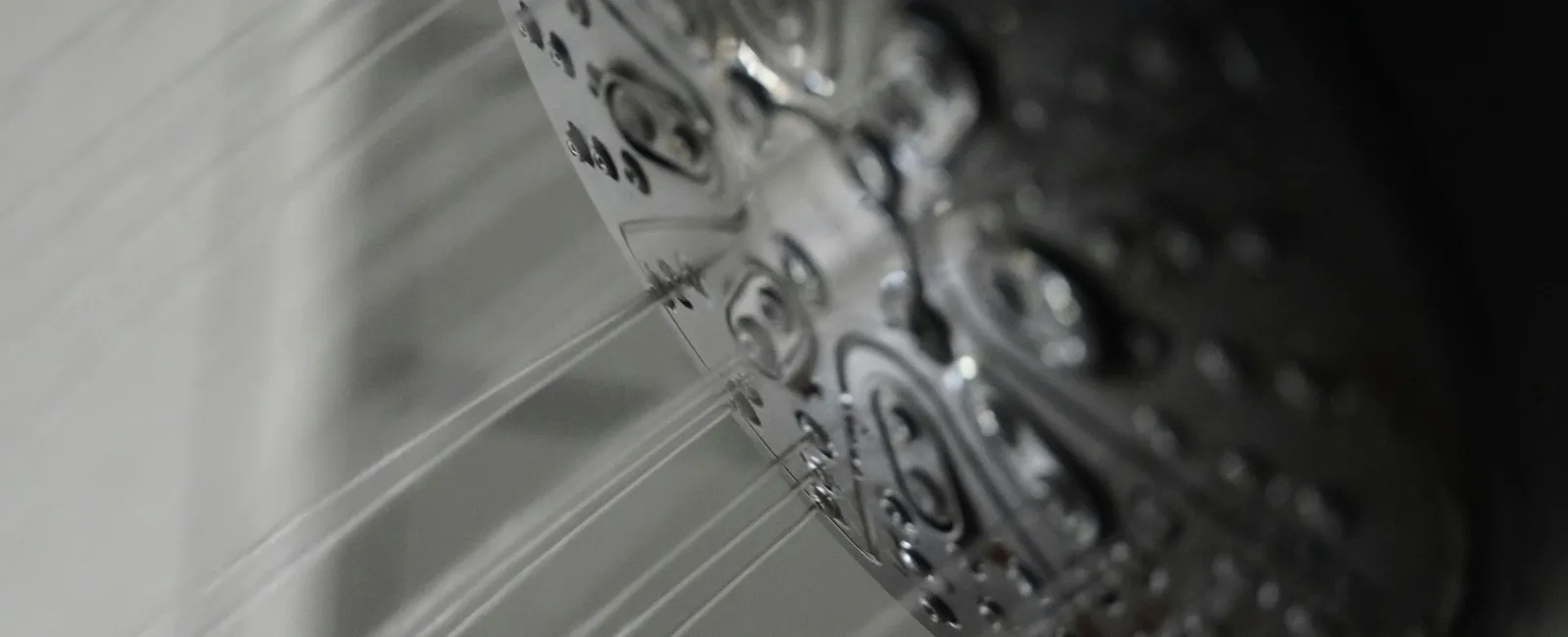
When your shower head continues dripping water minutes or even hours after you've turned off the shower, creating annoying drip sounds, wasting water (up to 3,000 gallons annually from a slow drip), and potentially causing mineral stains in your tub or shower pan, you're experiencing a problem that affects nearly every shower eventually. This persistent dripping differs from normal water drainage (a few drips immediately after shutoff as residual water clears from the shower head and arm) because it continues indefinitely rather than stopping within 10-15 seconds.
After repairing thousands of dripping shower heads since 1923, our licensed plumbers know that persistent dripping stems from four primary causes, with 80% involving simple worn washers or O-rings that cost just a few dollars to replace. The remaining 20% require shower valve cartridge replacement or connection repairs that take more time but remain accessible to most DIY homeowners. Here's exactly why your shower head drips after shutoff, how to diagnose each cause, and the specific fix for each problem.
4 Causes of Shower Head Dripping After Shutoff
Cause #1: Worn Shower Valve Washer (Most Common, 50% of Cases)
Inside your shower valve, there's a rubber washer that presses against a metal seat to stop water flow when you turn the shower off. After 3-7 years of use, the washer becomes compressed, hardened, and cracked from constant exposure to hot water and minerals. Once it can't seal properly anymore, water keeps sneaking past and dripping from your shower head even though you've turned everything off.
You'll know it's the washer if the drip is consistent and never stops on its own. If your shower is older than 5 years and you've never replaced the washer, this is almost certainly your problem.
The fix:
- Turn off the water supply to the shower
- Remove the handle and pull out the valve stem
- Replace the old washer at the bottom of the stem with a new one (same size)
- Check the valve seat for roughness and resurface or replace it if needed
- Reassemble everything (takes about 30-45 minutes)
Cause #2: Failed Shower Valve Cartridge (30% of Cases)
Modern single-handle showers don't use washers. They use cartridges that control both temperature and flow. These cartridges last 8-15 years before the internal seals wear out. When they fail, water bypasses the closed position and continues to drip. The frustrating part is that cartridges aren't universal, so you need the exact replacement for your specific valve brand.
If your drip started suddenly (not gradually), and moving the handle changes the drip rate, it's probably the cartridge. Most showers installed after 2000 use this type of valve.
The fix:
- Identify your valve brand (check the trim plate or handle)
- Buy the correct replacement cartridge for that specific model
- Turn off the water, remove the handle, and trim
- Pull out the old cartridge (mark orientation first with tape)
- Insert the new cartridge in the same orientation and reassemble
If you're not sure which cartridge you need, our licensed plumbers can identify your valve type and install the correct replacement cartridge to permanently stop the drip.
Cause #3: Loose Shower Head Connection (15% of Cases)
Sometimes the problem isn't your valve at all. The connection where your shower head screws onto the pipe arm can leak if the rubber washer inside deteriorates or the thread seal tape breaks down. Water gets trapped inside the shower head during use, then slowly drips out after you shut off the water.
You'll see water coming from around the threads (not just the spray face), and the drip usually stops within 2-3 minutes as the trapped water empties out. If the shower head wiggles when you grab it, this is your issue.
The fix:
- Unscrew the shower head
- Replace the rubber washer inside if it's cracked or hard
- Wrap fresh thread seal tape around the arm threads (3-4 wraps)
- Screw the head back on and tighten (takes 10-15 minutes)
Cause #4: Defective Shower Head Design (5% of Cases)
Some shower heads, especially cheap ones or complex rain shower heads, just aren't well-designed. They trap water in internal chambers or have faulty check valves. If the shower head is angled steeply downward, gravity keeps that water draining out long after you've shut things off.
If you've already replaced washers and resealed connections without fixing the drip, and it only happens with this specific shower head, the head itself is the problem.
The fix:
Replace it with a quality shower head from Moen, Delta, Kohler, or Grohe. Look for models with anti-drip features. Or try adjusting the shower arm angle so the head tilts slightly upward instead of down. Our plumbers can recommend and install high-quality shower heads that minimize dripping while maintaining excellent water pressure.
When the Drip Indicates Bigger Problems
Most dripping shower heads are simple fixes, but sometimes that drip is signaling a more serious issue. Contact our emergency plumbing specialists if you notice any of these warning signs:
- Water dripping from behind the wall or the ceiling below: This indicates a leak in the pipes behind your shower wall, not just at the fixture.
- The drip becomes a steady stream even when closed: Your valve has completely failed and needs immediate replacement.
- You can't fully close the valve: If the handle spins freely or won't reach the off position, internal components are stripped.
- New washers or cartridges don't fix it: Could be valve seat damage, cracks in the valve body, or installation problems.
- Water pressure drops along with the drip: Might indicate supply line issues rather than just a leaky fixture.
After 100+ years of serving North Metro Atlanta, we've found that most issues require entering the wall without damaging it.
Preventing Future Shower Head Dripping
Once you've fixed the drip, here's how to keep it from coming back:
Replace washers every 5-7 years. Don't wait for them to fail. Mark your calendar and swap them out proactively. It's a lot easier than dealing with a constant drip.
Use quality replacement parts. Spend the extra dollar or two on brass screws and high-quality rubber washers instead of generic hardware-store packs. Quality parts last 2-3 times longer.
Don't crank the handles when turning off the shower. Close them firmly, but don't muscle them. Excessive force just compresses washers faster and damages valve seats.
Consider a water softener if you have hard water. Mineral deposits are brutal on washers and cartridges. Softened water can extend valve component life by 50-100%.
The Bottom Line on Dripping Shower Heads
A shower head that keeps dripping after you turn it off usually comes down to one of four things: Start simple. Check if the shower head connection is loose and reseal it if so. That's the quickest potential fix. If that doesn't work, you're looking at the valve. For older compression-style valves, replace the washer. For newer cartridge valves, swap the cartridge. Most people can handle these repairs in under an hour with basic tools and parts that cost just a few dollars.
Still dripping after trying the fixes? Contact our licensed shower repair specialists for professional valve diagnosis and repair in Cumming, Alpharetta, Roswell, and North Metro Atlanta. We provide same-day service for dripping shower heads, complete valve inspection, cartridge identification and replacement for all major brands, valve seat repair, and hidden leak detection. Most drips are diagnosed and fixed in one visit.


